<h1>10 Best Rabbit Breeds for Meat Production: A Commercial Guide</h1>
<p>In my 15 years of managing commercial rabbitries across Nigeria and West Africa, I have seen many farmers fail not because they lacked passion, but because they chose the wrong genetics. If you are entering the business of cuniculture, your profitability depends almost entirely on your choice of livestock. Choosing the <strong>best rabbit breeds for meat</strong> is the single most important decision you will make before constructing your first cage. In this guide, I will share the data-driven insights I have gathered from the field to help you select breeds that offer the highest meat-to-bone ratio and the fastest growth rates.</p>
<h2>Why Choosing the Best Rabbit Breeds for Meat Matters</h2>
<p>In a commercial setting, every extra day a rabbit stays in your barn before reaching slaughter weight is money out of your pocket. The <strong>best rabbit breeds for meat</strong> are characterized by a high Feed Conversion Ratio (FCR). For instance, a commercial-grade New Zealand White should reach 2.0kg to 2.5kg within 10 to 12 weeks under intensive management. If your breed takes 20 weeks to reach that same weight, your profit margin will be swallowed by feed costs. According to the <a href="https://www.fao.org/4/t1690e/t1690e00.htm">Food and Agriculture Organization (FAO)</a>, rabbit meat is one of the most efficient proteins to produce, but only if the genetics match the production goals.</p>
<p>Before you stock your farm, you must understand your market. Are you selling live fryers to restaurants, or are you processing them into vacuum-sealed packs? Your choice of the <strong>best rabbit breeds for meat</strong> will dictate your carcass yield and dressing percentage.</p>
<h2>The Top Commercial Performers</h2>
<h3>1. New Zealand White (NZW)</h3>
<p>The New Zealand White is the undisputed king of commercial rabbit farming. Despite the name, they originated in America and are the "gold standard" for meat production. They have a high meat-to-bone ratio and produce a carcass with a fine grain. <strong>Key Fact:</strong> A mature NZW buck weighs 4-5kg, while does weigh 4.5-5.5kg. They are prolific breeders, often weaning 8-10 kits per litter. In Nigeria, they are favored for their ability to handle heat better than most large breeds, provided they have adequate ventilation.</p>
<h3>2. Californian</h3>
<p>Often ranked second only to the NZW, the Californian is recognizable by its white body and dark points (nose, ears, feet, and tail). This breed was specifically developed for meat and fur. They have very dense meat on their hindquarters and loin. In my experience, crossing a Californian buck with a New Zealand White doe produces a "Commercial Cross" that grows faster than either purebred, a secret many successful farmers use to boost their bottom line.</p>
<h3>3. Champagne d'Argent</h3>
<p>One of the oldest French breeds, the Champagne d'Argent is born black and turns silver-gray as it matures. They are known for their "meatiness" even at a young age. They have a slightly better dressing percentage than some NZW lines, making them an excellent choice for specialized meat markets. However, they can be harder to source in West Africa compared to the first two breeds.</p>
<blockquote>
<strong>Pro Tip from the Field:</strong> When starting your farm, do not just buy any "white rabbit" you see at the local market. Many are mongrels with poor growth rates. Always buy from a reputable breeder who keeps pedigree records and can show you the average weaning weights of their kits. If you are a beginner, reading about <a href="https://farmtechbusiness.com/blog/rabbit-farming-mistakes">Rabbit Farming: 7 Mistakes That Kill Your Profits</a> will save you millions in lost stock.
</blockquote>
<h2>Specialized and Heritage Meat Breeds</h2>
<h3>4. Silver Fox</h3>
<p>The Silver Fox is a heritage breed that is exceptionally rare but highly prized for meat. They are known for their calm temperament and the fact that they have a 1:1 meat-to-bone ratio, which is incredible for a medium-sized rabbit. They are heavy-set and produce large litters, making them a sustainable choice for homesteaders.</p>
<h3>5. American Chinchilla</h3>
<p>Not to be confused with the rodent, the American Chinchilla was bred specifically for its meat and pelt. They have a deep, broad body and reach market weight very quickly. They are excellent foragers, which can be an advantage if you are practicing a semi-intensive system where you supplement pellets with greens like <em>Tridax procumbens</em>.</p>
<h3>6. Satin</h3>
<p>While often categorized as a "fancy" breed due to their unique hair shaft that reflects light, Satins are surprisingly good meat producers. They have a broad, firm commercial body type. If you are looking for a dual-purpose breed where you can sell the pelts for a premium while marketing the meat, the Satin is one of the <strong>best rabbit breeds for meat</strong> and fur combination.</p>
<h2>Understanding the Giants: Pros and Cons</h2>
<h3>7. Flemish Giant</h3>
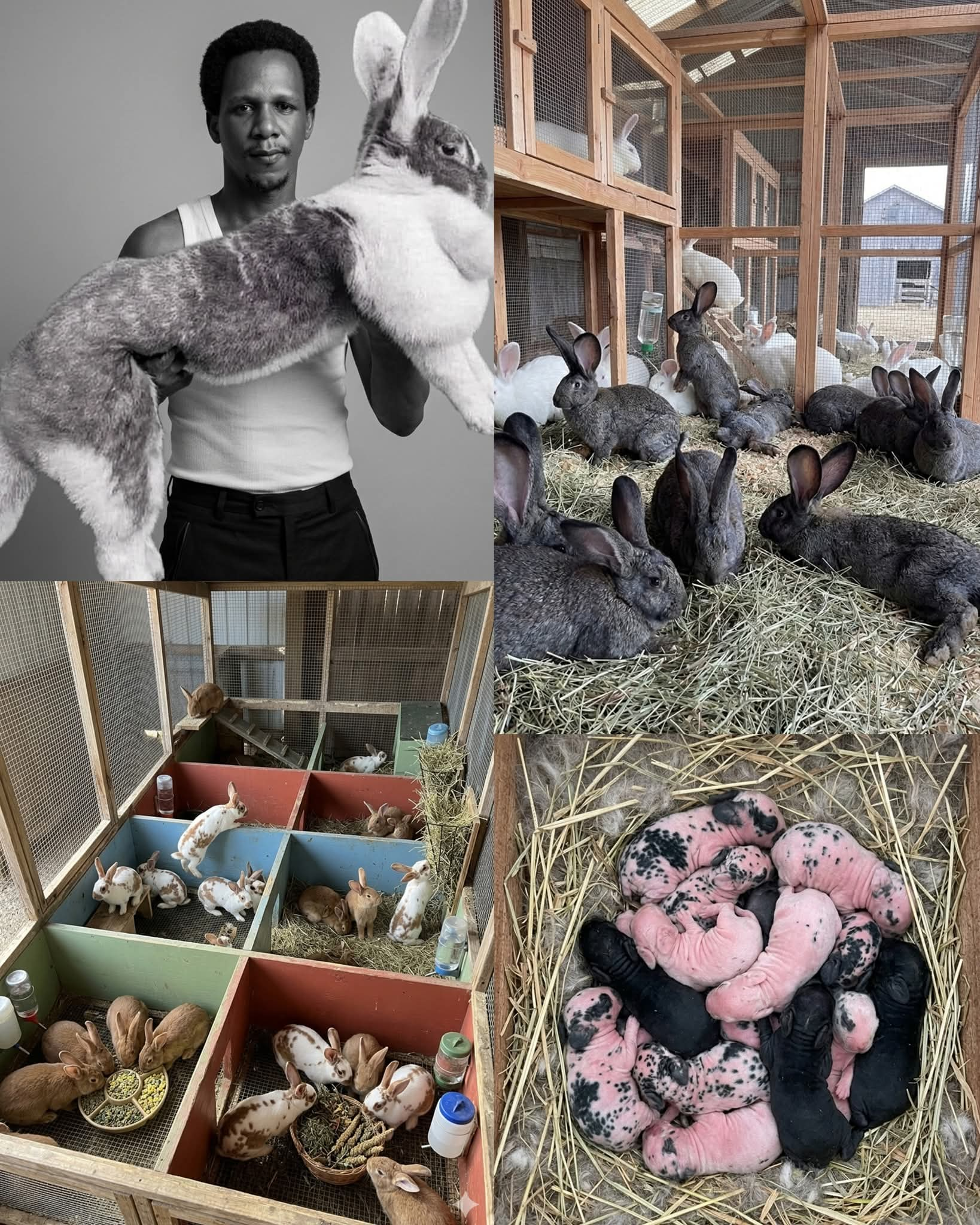
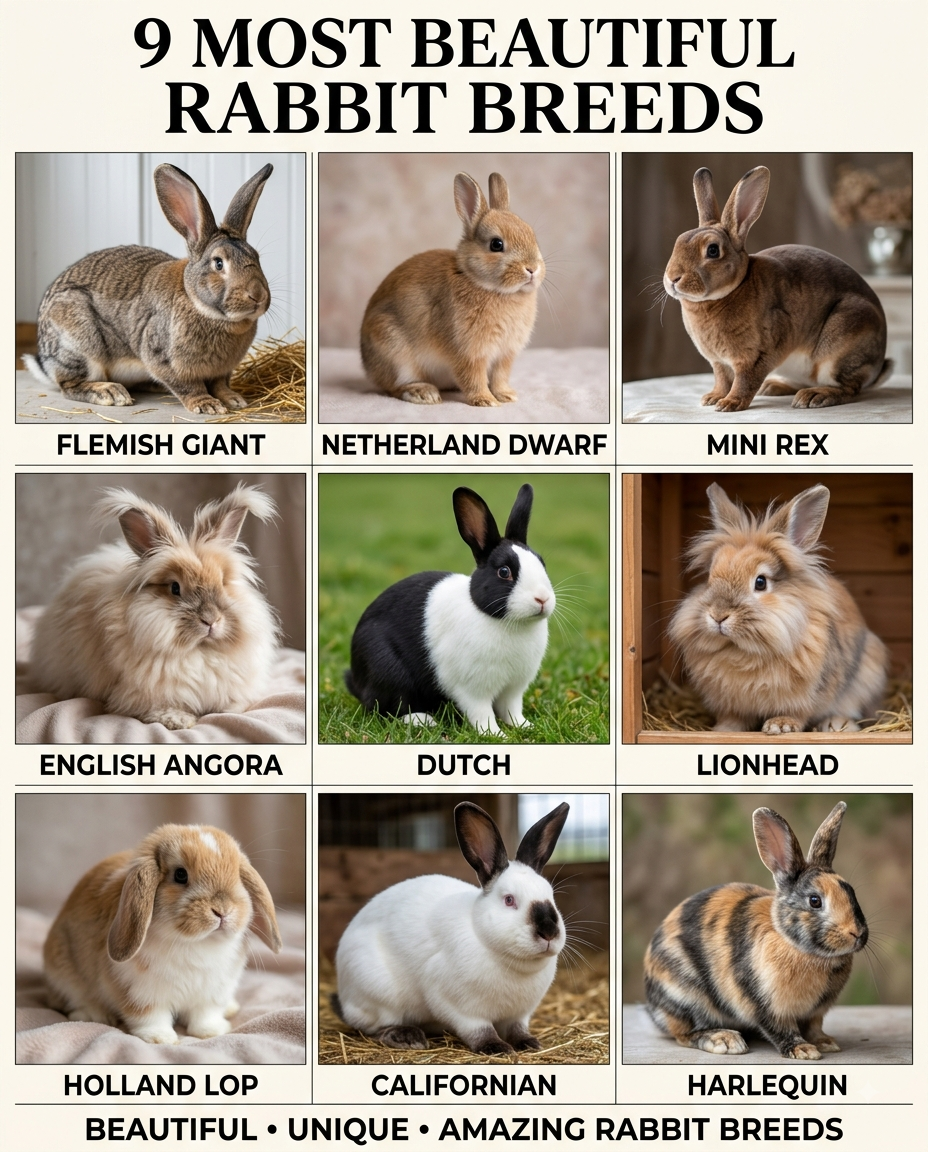
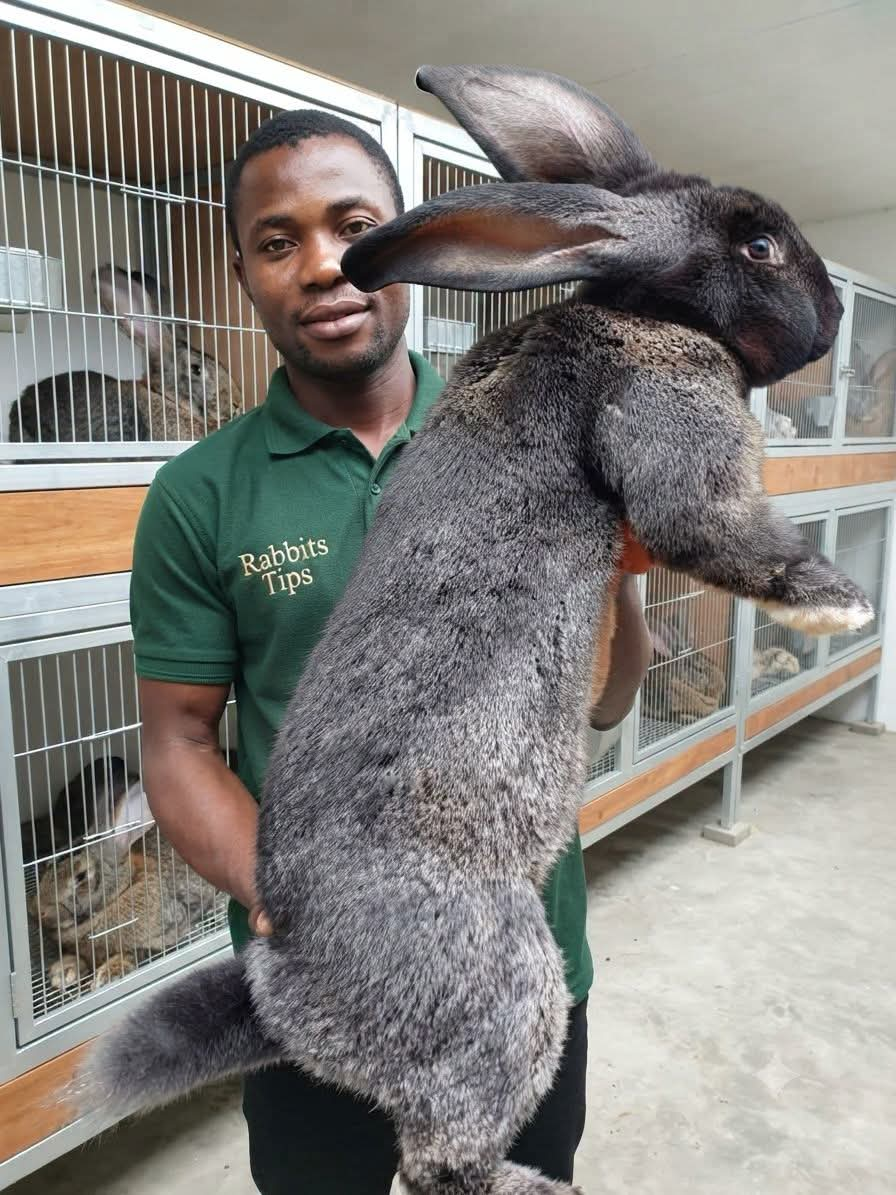
<p>The Flemish Giant is the "Universal Giant" of the rabbit world. While they can reach weights of over 8-10kg, they are often a trap for commercial meat farmers. They have a large bone structure, meaning their dressing percentage is lower than a New Zealand White. Furthermore, they take longer to mature and eat significantly more feed. I recommend using Flemish Giants only for cross-breeding to increase the frame size of smaller, meatier breeds.</p>
<h3>8. Palomino</h3>
<p>Developed in Washington State, the Palomino is a hardy, commercial-grade rabbit. They are golden in color and are known for having a very gentle disposition. This makes them easier to handle during palpation and weaning. Their growth rate is comparable to the Californian, and they are highly resistant to common rabbit ailments when kept in clean conditions.</p>
<h2>Emerging Breeds for Meat Production</h2>
<h3>9. Cinnamon</h3>
<p>The Cinnamon is a crossbreed heritage that includes New Zealand White and American Chinchilla genetics. They are a medium-heavy breed with a commercial body shape. While not as common in large-scale African operations yet, their hardiness makes them a candidate for varied climates.</p>
<h3>10. Blanc de Hotot</h3>
<p>This breed is easily identified by the black rings around its eyes. While critically endangered in some parts of the world, they were originally developed in France as a meat and fur breed. They are surprisingly bulky and produce a high-quality carcass. However, due to their rarity, they are usually more expensive to acquire as breeding stock.</p>
<h2>Critical Management Factors for Meat Production</h2>
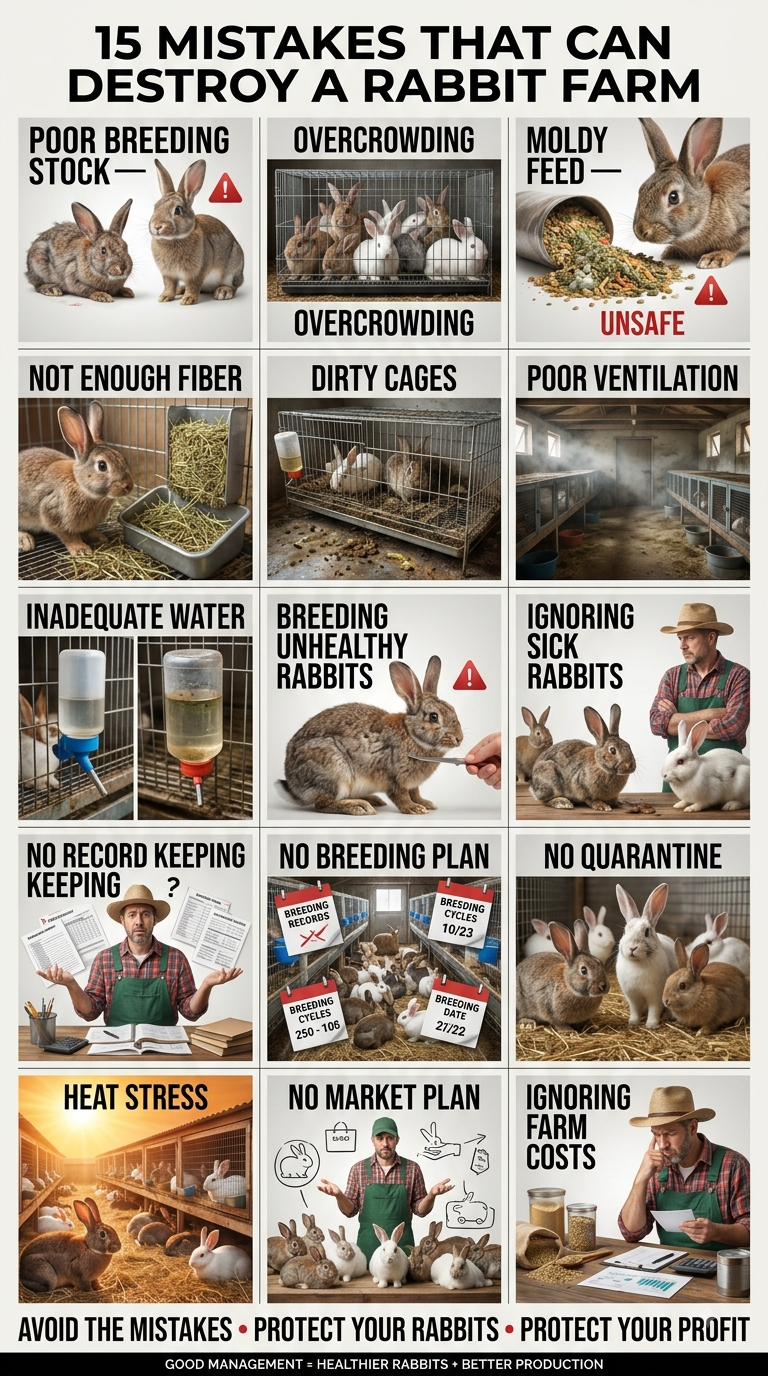
<p>Selecting the <strong>best rabbit breeds for meat</strong> is only 50% of the battle. The other 50% is management. In the Nigerian context, heat stress is your biggest enemy. If temperatures exceed 32°C, your bucks may become temporarily sterile. For more on this, check out our guide on <a href="https://farmtechbusiness.com/blog/7-reasons-a-rabbit-buck-may-refuse-to-mate-msnsrbk5">7 REASONS A RABBIT BUCK MAY REFUSE TO MATE</a>.</p>
<p>To maximize the potential of these breeds, follow these field-tested rules:</p>
<ul>
<li><strong>Protein Requirements:</strong> For meat fryers, use a pellet with at least 16-18% crude protein.</li>
<li><strong>Watering:</strong> A rabbit needs 2-3 times more water than feed. Use nipple drinkers to ensure a constant supply of clean water.</li>
<li><strong>Disease Control:</strong> Administer a broad-spectrum dewormer like Ivermectin (0.2ml/kg body weight) and keep a strict eye out for Coccidiosis. Research from <a href="https://www.canr.msu.edu/rabbit_tracks/index">Michigan State University Extension</a> emphasizes that sanitation is the best preventative measure in commercial rabbitries.</li>
<li><strong>Record Keeping:</strong> Track the "Days to Market" for every litter. Cull any does that consistently produce slow-growing kits.</li>
</ul>
<h2>Conclusion</h2>
<p>Success in commercial rabbit farming starts with genetics. While the Flemish Giant might look impressive due to its size, the <strong>best rabbit breeds for meat</strong> remain the New Zealand White and the Californian due to their efficiency and rapid growth. By focusing on these high-performing breeds and maintaining a rigorous management schedule, you can build a highly profitable agricultural enterprise.</p>
<p>Are you ready to scale your farm and master the business of agriculture in the modern era? <strong>Join Farming Tech & Business</strong> today for exclusive insights, expert consulting, and the latest trends in sustainable farming across Africa and beyond. Let's grow together!</p>