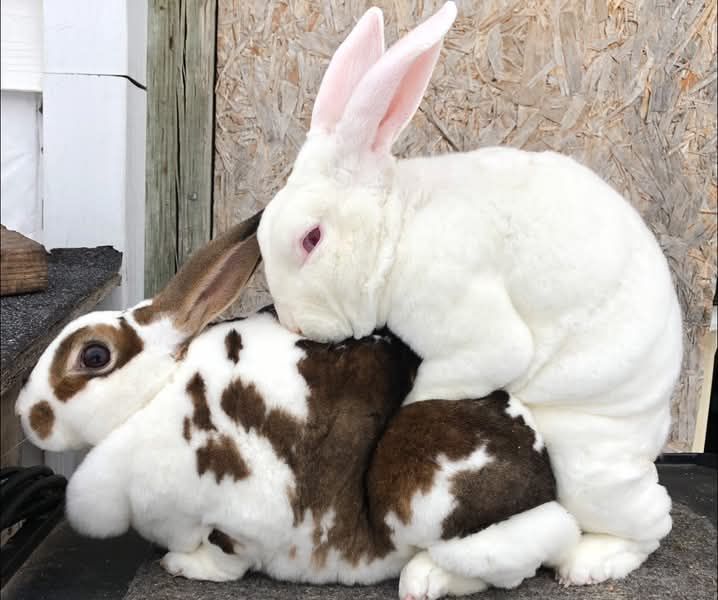
<h2> 🐇</h2><ol><li><p><strong>Extreme heat</strong> — High temperatures can reduce a buck's sexual activity and fertility.</p></li><li><p><strong>Stress</strong> — Noise, overcrowding, frequent handling, or an unfamiliar environment can affect mating.</p></li><li><p><strong>Poor nutrition</strong> — Inadequate feed and water can reduce energy and reproductive performance.</p></li><li><p><strong>Illness or pain</strong> — A sick or injured buck may lose interest in mating.</p></li><li><p><strong>Overuse</strong> — Breeding too frequently can leave the buck exhausted.</p></li><li><p><strong>Young or inexperienced buck</strong> — Some young bucks need time and experience before breeding reliably.</p></li><li><p><strong>The doe isn't receptive</strong> — The problem may be the female, not the buck.</p></li></ol><p>🐰 <strong>Farmer's tip:</strong> Never force rabbits to mate. Check their health, body condition, environment, and breeding schedule first.</p><p></p>
7 REASONS A RABBIT BUCK MAY REFUSE TO MATE
Farming Tech & Business | 8/10/2026 | 2 views
Continue Learning
News
Rabbit Farming: 7 Mistakes That Kill Your Profits
Healthy Rabbit Indicators: 5 Essential Signs Every Farmer Must Know
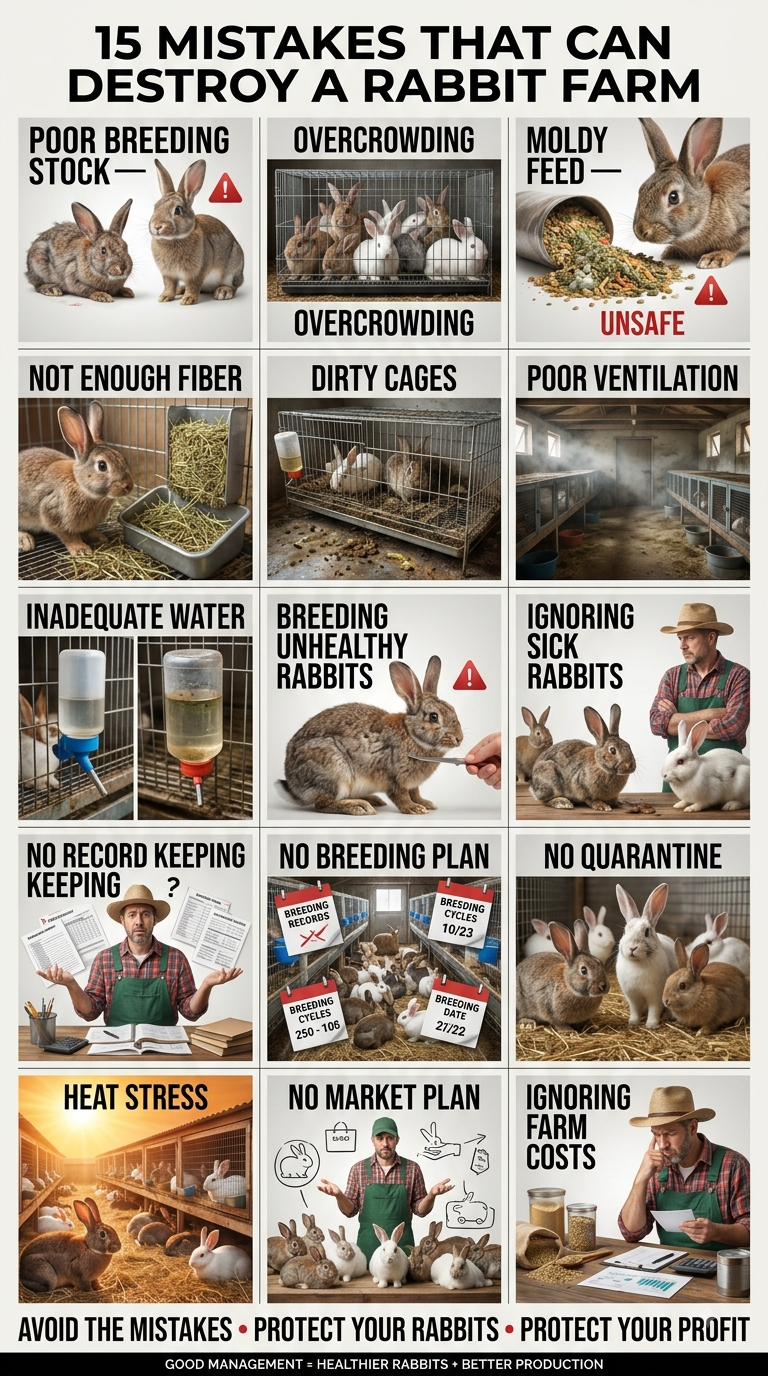
15 Rabbit Farming Business Mistakes That Can Destroy Your Profitability
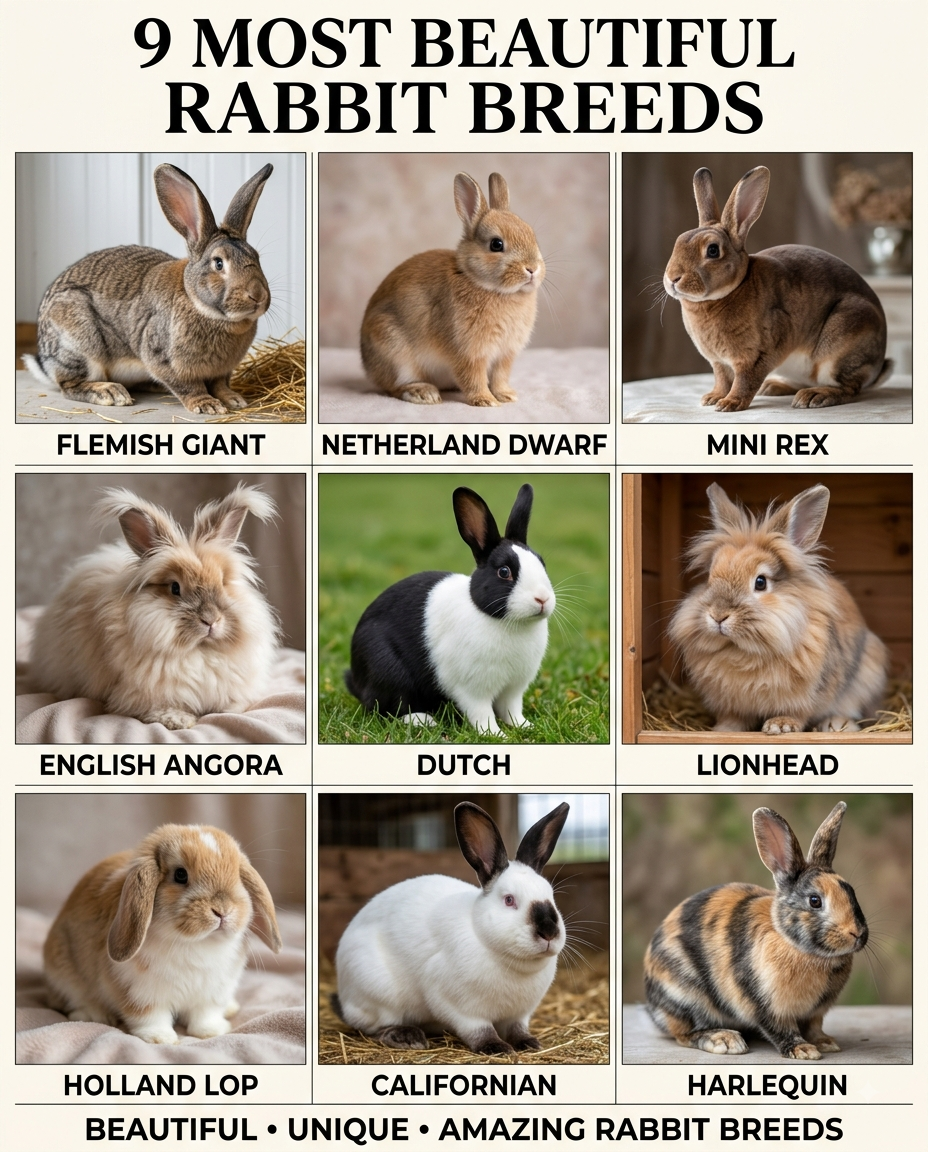
9 Most Beautiful Rabbit Breeds in the World: A Professional Farmer’s Guide
9 Most Beautiful Rabbit Breeds in the World: A Professional Farmer’s Guide
News
HOW TO WEAN RABBIT KITS PROPERLY: THE STEP-BY-STEP GUIDE EVERY RABBIT FARMER SHOULD KNOW