<h1>Healthy Rabbit Indicators: 5 Essential Signs Every Farmer Must Know</h1>
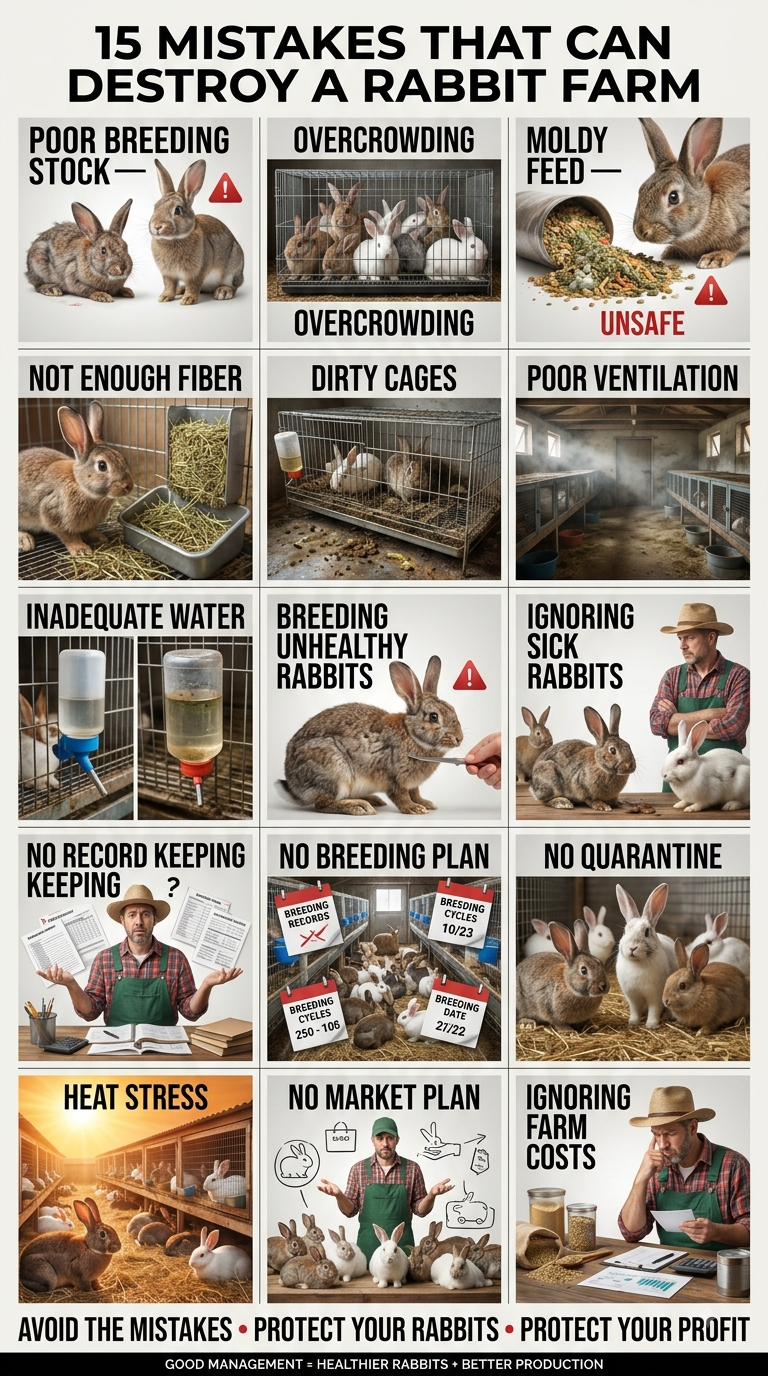
<p>In my 15 years of managing rabbitries across Nigeria and West Africa, I have learned that a rabbit’s health is its only true currency. In the humid tropics, where heat stress and coccidiosis are constant threats, being able to identify <strong>healthy rabbit indicators</strong> at a glance can save your entire investment. Whether you are raising Hyla, New Zealand White, or Chinchilla breeds, the margin for error is slim. A rabbit that stops eating at 6:00 AM can be dead by sunset if you aren't paying attention. Understanding these <strong>healthy rabbit indicators</strong> is not just about animal welfare; it is about protecting your bottom line and ensuring high productivity in your backyard or commercial farm.</p>
<h2>1. A Robust Appetite and Consistent Feeding Patterns</h2>
<p>The most immediate of all <strong>healthy rabbit indicators</strong> is a vigorous appetite. A healthy rabbit is a "food motivated" animal. In a professional setting, we look for rabbits that rush to the front of the cage the moment they hear the sound of the feed bucket or the rustle of forage like <em>Tridax procumbens</em> (coat buttons) or sweet potato leaves.</p>
<p>A standard adult commercial rabbit should consume approximately 100g to 150g of high-quality pellets daily, supplemented with clean hay or dried forage. If you notice a "picky" eater, something is wrong. In Nigeria, many farmers use brands like TopFeed or Animal Care; if your rabbits suddenly stop eating these even though the batch is fresh, check for dental malocclusion or the onset of GI stasis. Proper nutrition is the backbone of health, and as noted in the <a href="https://www.fao.org/3/t0690e/t0690e0a.htm">FAO guide on rabbit husbandry</a>, a balanced diet is crucial for preventing the digestive upsets that lead to high mortality rates.</p>
<h3>Key Observations for Feeding:</h3>
<ul>
<li><strong>Chewing rhythm:</strong> The rabbit should chew steadily without dropping half-eaten pellets from its mouth.</li>
<li><strong>Water Intake:</strong> A healthy rabbit drinks roughly 50ml to 150ml of water per kilogram of body weight. Reduced water intake often precedes a total loss of appetite.</li>
<li><strong>Forage Preference:</strong> They should show excitement for fresh, wilted greens, which provide the necessary fiber to keep the gut moving.</li>
</ul>
<h2>2. High Activity Levels and Natural Curiosity</h2>
<p>Rabbits are crepuscular, meaning they are most active at dawn and dusk. However, even during the heat of a Nigerian afternoon, <strong>healthy rabbit indicators</strong> include a certain level of alertness. When you walk into your rabbitry, a healthy buck or doe should twitch its nose rapidly (about 20 to 120 times per minute) and acknowledge your presence.</p>
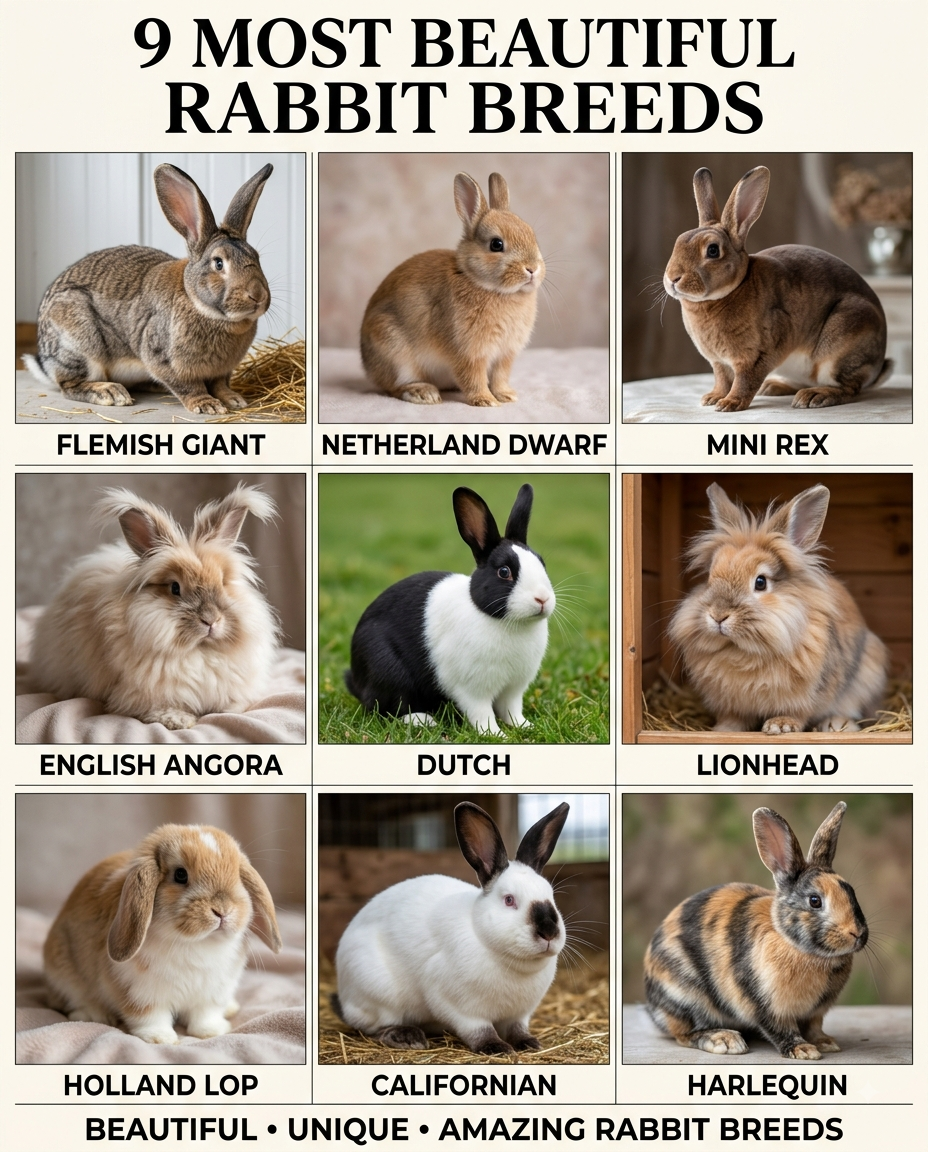
<p>If you see a rabbit sitting hunched in a corner with its eyes half-closed and ears pinned back tightly for hours, this is a red flag. Healthy rabbits engage in "binkying" (leaping and twisting in the air) when they are let out for exercise. This behavior signals a high state of well-being and muscular health. For those looking to scale their operations, choosing the right stock is vital; check out our guide on the <a href="https://farmtechbusiness.com/blog/10-best-rabbit-breeds-for-meat-production-a-commercial-guide-msok9q4c">10 Best Rabbit Breeds for Meat Production: A Commercial Guide</a> to ensure you are starting with vigorous genetics.</p>
<blockquote>
<strong>Pro Tip from the Field:</strong> If a rabbit doesn't react when you gently touch its ears or blow a small puff of air toward its face, it is likely in shock or severe pain. Healthy rabbits are always "on guard" due to their nature as prey animals.
</blockquote>
<h2>3. A Clean, Glossy, and Smooth Coat</h2>
<p>The condition of the fur is a mirror of the rabbit's internal health. One of the primary <strong>healthy rabbit indicators</strong> is a coat that is "tight," shiny, and free of bald patches. When a rabbit is getting the right vitamins (specifically Vitamin A and E) and has no internal parasite load, its fur will feel soft and resilient.</p>
<p>In our tropical climate, we frequently battle mange (Sarcoptic and Psoroptic). A healthy rabbit will not have crusty scabs inside its ears or "white dust" (mites) on its nose and paws. If the fur is dull, staring (standing on end), or matted, the rabbit may have stopped grooming itself due to illness. According to research on <a href="https://vetmed.illinois.edu/pet-health-columns/rabbit-skin-problems/">rabbit dermatology from the University of Illinois</a>, self-grooming is a vital sign of health, and a lack of it often points to obesity or dental pain.</p>
<h3>What to Look for in the Coat:</h3>
<ul>
<li><strong>No "Dandruff":</strong> Flaky skin often indicates <em>Cheyletiella</em> mites.</li>
<li><strong>Clean Vent Area:</strong> The fur around the tail and anus must be bone-dry and clean. Staining here indicates chronic diarrhea.</li>
<li><strong>Fast Rebound:</strong> When you gently pinch the scruff (skin) and let go, it should snap back instantly. Slow rebound indicates dehydration.</li>
</ul>
<h2>4. Production of Healthy Droppings (The "Golden" Poop)</h2>
<p>As a consultant, the first thing I do when entering a farm is look at the floor or the collection trays. You cannot discuss <strong>healthy rabbit indicators</strong> without talking about poop. A healthy rabbit produces two types of droppings: hard, round, hay-filled pellets and softer, grape-like clusters called cecotropes.</p>
<p>The hard droppings should be uniform in size and crumble easily when pressed, revealing undigested fiber. If the droppings are small, misshapen, or strung together with hair, the rabbit is heading toward a blockage. More importantly, if you see "mucoid enteritis" (clear slime in the tray), you have an emergency. Healthy rabbits are also efficient at re-ingesting their cecotropes directly from the anus—a process essential for B-vitamin absorption. If you see many uneaten cecotropes in the cage, the rabbit may be overfed on concentrates or too obese to reach them.</p>
<h2>5. Steady Growth and Optimal Body Condition Score</h2>
<p>In commercial rabbit farming, weight is money. One of the most reliable <strong>healthy rabbit indicators</strong> is a steady weight gain in kits and a stable "Body Condition Score" (BCS) in adults. For meat breeds like the New Zealand White, a kit should reach 1.8kg to 2.2kg by 8–10 weeks if managed properly.</p>
<p>You should be able to feel the ribs of a healthy rabbit under a thin layer of fat, but they should not "poke" your fingers (underweight), nor should they be impossible to find (obese). Obesity is a silent killer in rabbitries, often leading to sore hocks (pododermatitis) and reproductive failure. If your buck is not hitting its weight targets, it may refuse to perform; for more on this, see our article on <a href="https://farmtechbusiness.com/blog/7-reasons-a-rabbit-buck-may-refuse-to-mate-msnsrbk5">7 REASONS A RABBIT BUCK MAY REFUSE TO MATE</a>.</p>
<h3>Monthly Health Checklist:</h3>
<ul>
<li><strong>Weighing:</strong> Use a digital scale once every two weeks to track growth rates.</li>
<li><strong>Nose Check:</strong> Ensure there is no discharge. A "wet nose" often means Pasteurella (Snuffles).</li>
<li><strong>Hock Check:</strong> Ensure the bottom of the hind feet are furred and not red/raw.</li>
</ul>
<h2>Common Mistakes to Avoid in Maintaining Health</h2>
<p>Many Nigerian farmers make the mistake of over-medicating. I have seen farmers give "preventive" antibiotics every week. This destroys the rabbit's delicate cecal flora. Instead of reaching for Oxytetracycline immediately, focus on hygiene and ventilation. High ammonia levels from uncleaned urine will ruin a rabbit's respiratory system regardless of how many drugs you use.</p>
<p>Another mistake is sudden feed changes. A rabbit’s gut is a finely tuned fermentation vat. If you switch from one brand of pellets to another, or from dry hay to lush green grass overnight, you risk "bloat" or "scours." Always transition feed over a 7-day period to keep those <strong>healthy rabbit indicators</strong> positive.</p>
<h2>Conclusion: Consistency is the Key to Health</h2>
<p>Monitoring for these 5 <strong>healthy rabbit indicators</strong> daily is the difference between a profitable farm and a failing one. A healthy rabbit has bright eyes, a dry nose, a clean coat, and a voracious appetite. By paying attention to the small details—the shape of the droppings, the gloss of the fur, and the speed of the nose twitch—you can catch potential issues before they become farm-wide epidemics.</p>
<p>Are you ready to take your livestock business to the next level? Join <strong>Farming Tech & Business</strong> today for expert insights, modern farming techniques, and data-driven strategies designed to make your African farm a global success. Let's grow together!</p>