<h1>Homemade Rabbit Feed Formula: A Professional Guide to Quality Nutrition</h1>
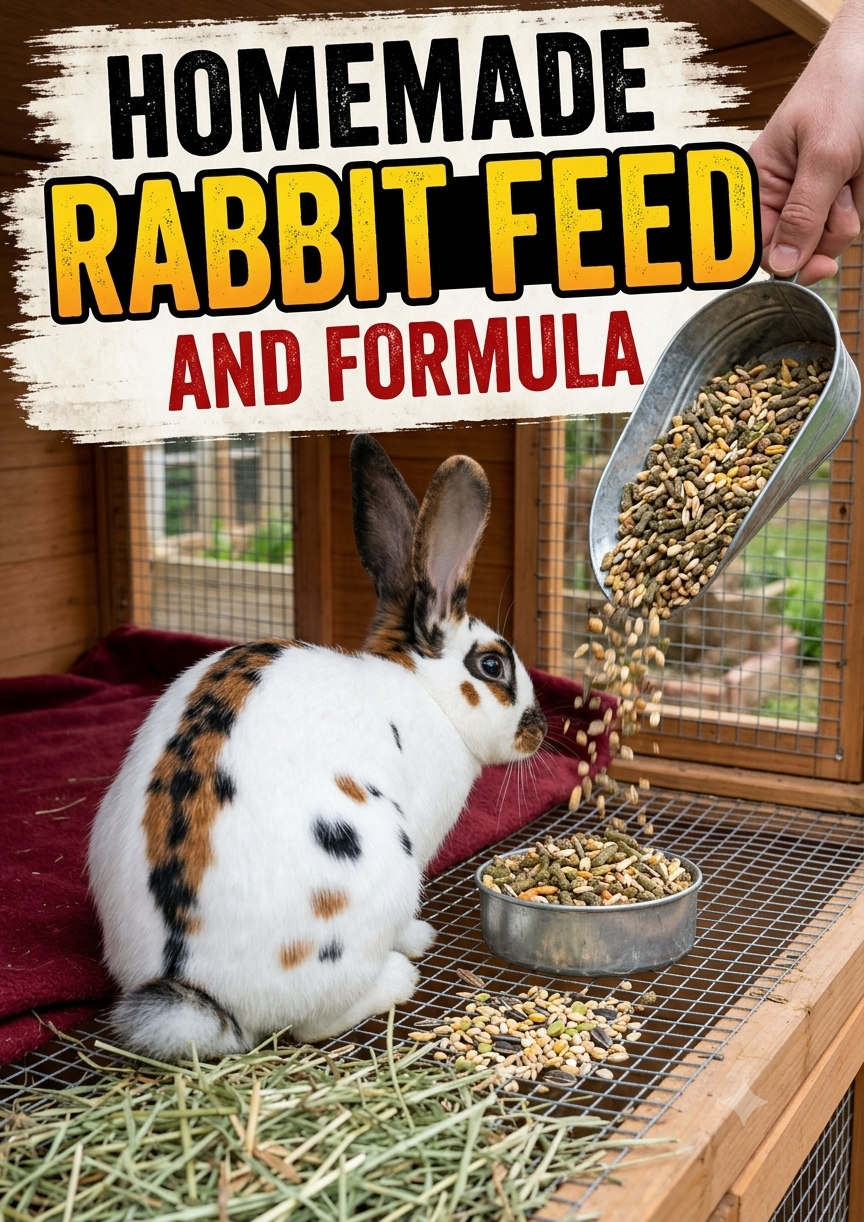
<p>In my 15 years of managing rabbitries across Nigeria and West Africa, the single biggest challenge I have seen farmers face is the skyrocketing cost of commercial pellets. If you are serious about profitability, relying solely on store-bought bags is a recipe for slim margins. Learning how to create a high-quality <strong>homemade rabbit feed formula</strong> is not just a cost-saving measure; it is a necessity for anyone looking to scale. When you control the ingredients, you control the growth rate, the health of your does, and the weaning weight of your kits. In this guide, I will share the exact ratios and ingredients I use in the field to ensure my rabbits reach 2.5kg to 3kg in less than 4 months.</p>
<h2>Why You Should Switch to a Homemade Rabbit Feed Formula</h2>
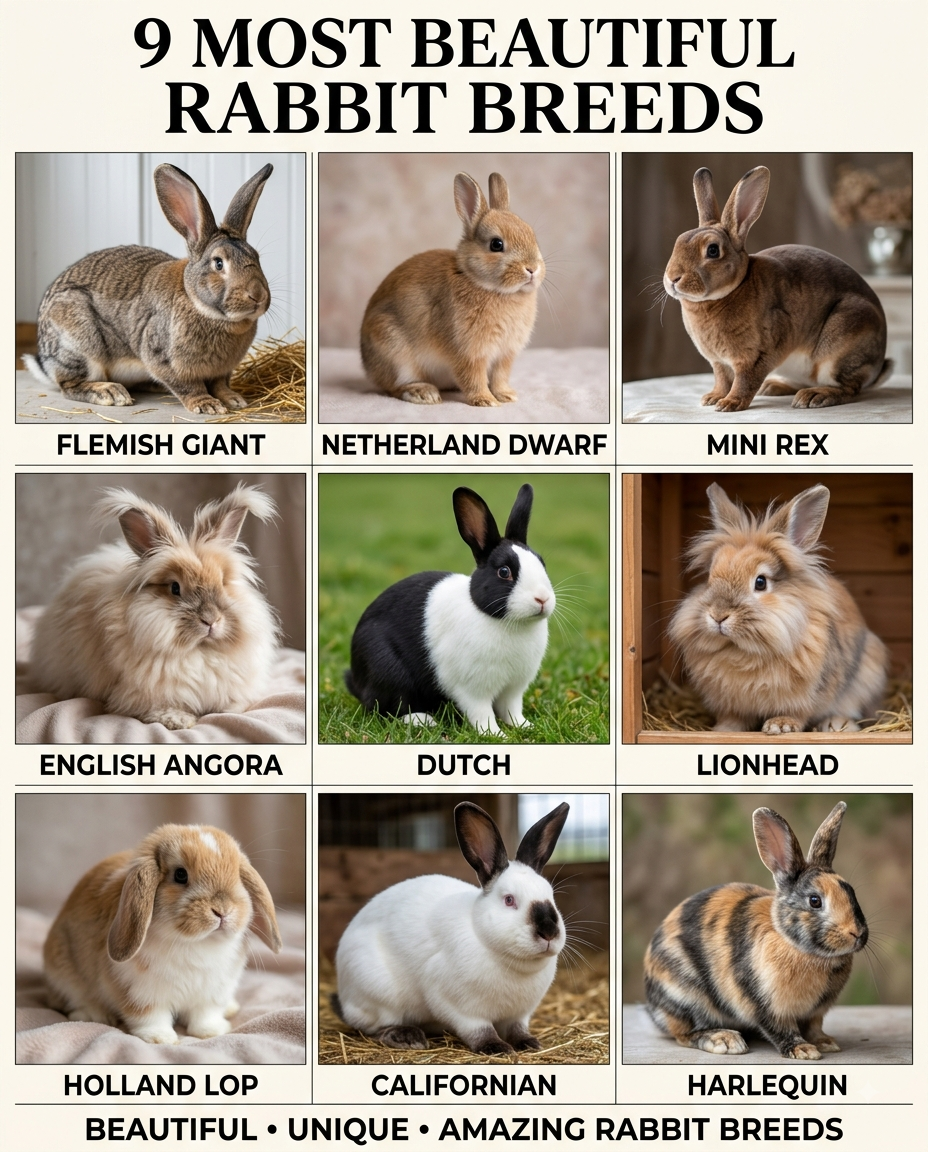
<p>The primary reason for formulating your own feed is economic. Commercial feed prices in Nigeria often fluctuate due to the cost of maize and soybeans. By creating your own <strong>homemade rabbit feed</strong>, you can utilize locally available agricultural by-products that are often cheaper but nutritionally dense. Furthermore, many commercial feeds are "diluted" with too much fiber and too little protein to save costs. When you mix your own <strong>homemade rabbit feed formula</strong>, you ensure that your rabbits are getting the required 16% to 18% crude protein necessary for rapid growth. This is especially critical if you are raising the <a href="https://farmtechbusiness.com/blog/10-best-rabbit-breeds-for-meat-production-a-commercial-guide-msok9q4c">10 Best Rabbit Breeds for Meat Production: A Commercial Guide</a>, as these high-performance breeds require precision nutrition to reach their genetic potential.</p>
<h2>Understanding Rabbit Nutritional Requirements</h2>
<p>Before we jump into the mixing bowl, you must understand what a rabbit actually needs. Rabbits are monogastric herbivores with a specialized hindgut fermentation process. This means their <strong>homemade rabbit feed</strong> must be high in fiber to prevent GI stasis but rich enough in energy for production. According to the <a href="https://www.fao.org/4/t1690e/t1690e08.htm">FAO Rabbit Production Guidelines</a>, a balanced diet for a commercial rabbit should consist of:</p>
<ul>
<li><strong>Crude Protein:</strong> 16% – 18% (Higher for lactating does and growing kits).</li>
<li><strong>Crude Fiber:</strong> 14% – 20% (Essential for gut motility).</li>
<li><strong>Digestible Energy:</strong> 2,400 – 2,800 kcal/kg.</li>
<li><strong>Calcium:</strong> 0.8% – 1.1%.</li>
<li><strong>Phosphorus:</strong> 0.5% – 0.7%.</li>
</ul>
<h2>Essential Ingredients for Homemade Rabbit Feed in Africa</h2>
<p>In the Nigerian context, we have access to incredible raw materials that make an excellent <strong>homemade rabbit feed formula</strong>. Here is what I recommend using:</p>
<ul>
<li><strong>Maize Offal or Wheat Offal:</strong> These provide the bulk of the energy. Wheat offal is particularly good because it has a higher fiber content than maize.</li>
<li><strong>Palm Kernel Cake (PKC):</strong> A very affordable source of protein and fiber in West Africa. However, do not exceed 30% of the total mix as it can be quite gritty.</li>
<li><strong>Groundnut Cake (GNC) or Soya Bean Meal:</strong> These are your protein heavy-hitters. Soya bean meal must be toasted to remove anti-nutritional factors.</li>
<li><strong>Rice Bran:</strong> A cheap filler that provides decent fiber and some oil.</li>
<li><strong>Bone Meal and Limestone:</strong> Essential for skeletal development and milk production in does.</li>
<li><strong>Salt and Premix:</strong> Never skip the grower/rabbit premix. It contains the micro-minerals and vitamins that prevent sudden deaths and reproductive failure.</li>
</ul>
<blockquote>
<strong>Pro Tip from the Field:</strong> Always source your Palm Kernel Cake (PKC) from reputable mills. If the PKC smells rancid or looks overly dark (burnt), it will ruin your <strong>homemade rabbit feed</strong> and cause your rabbits to reject the meal.
</blockquote>
<h2>The 100kg Homemade Rabbit Feed Formula (Grower/Finisher)</h2>
<p>This is a field-tested <strong>homemade rabbit feed formula</strong> that I have used for years. It is designed for rabbits from weaning (6 weeks) until slaughter. If you are just starting out, follow this <a href="https://farmtechbusiness.com/blog/how-to-start-rabbit-farming-business-in-nigeria-in-2026-msm45qx4">How to Start Rabbit Farming Business in Nigeria in 2026</a> guide to set up your cages before mixing your first batch.</p>
<h3>Ingredients Breakdown for 100kg:</h3>
<ul>
<li><strong>Maize Offal:</strong> 40 kg</li>
<li><strong>Wheat Offal:</strong> 15 kg</li>
<li><strong>Palm Kernel Cake (PKC):</strong> 20 kg</li>
<li><strong>Soya Bean Meal (Toasted):</strong> 18 kg</li>
<li><strong>Bone Meal:</strong> 3 kg</li>
<li><strong>Limestone:</strong> 2 kg</li>
<li><strong>Rabbit/Grower Premix:</strong> 0.5 kg</li>
<li><strong>Salt:</strong> 0.5 kg</li>
<li><strong>Lysine:</strong> 0.5 kg</li>
<li><strong>Methionine:</strong> 0.5 kg</li>
</ul>
<p><strong>Total: 100 kg</strong></p>
<h3>Preparation Steps:</h3>
<ol>
<li>Spread the largest quantity ingredient (Maize Offal) on a clean concrete floor.</li>
<li>Layer the other ingredients on top, ending with the micro-ingredients (premix, salt, lysine).</li>
<li>Use a shovel to turn the heap at least four times until the color is uniform.</li>
<li>If possible, take this mix to a local mill to be <strong>pelleted</strong>. While rabbits can eat mash, pellets reduce wastage and prevent respiratory issues caused by inhaling dust.</li>
</ol>
<h2>Common Mistakes to Avoid in DIY Rabbit Feeding</h2>
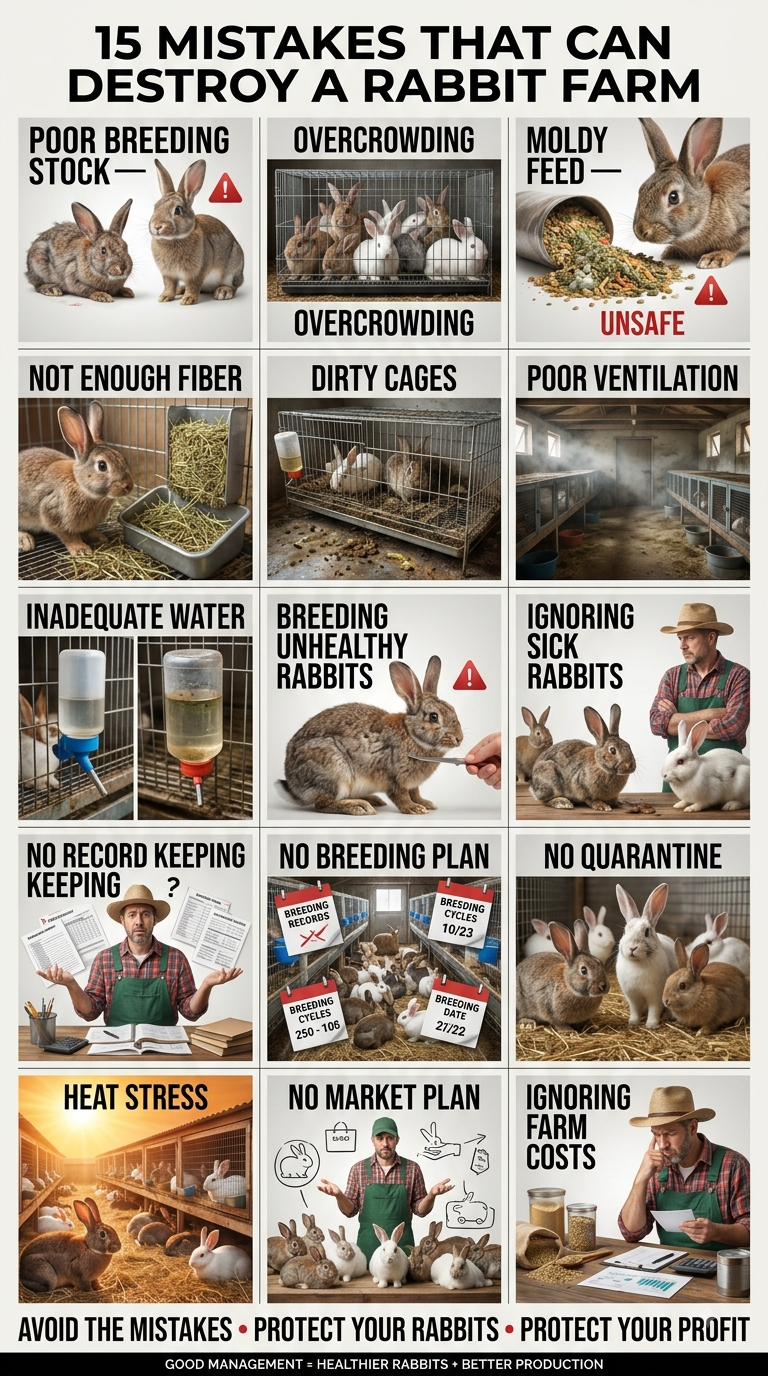
<p>Over the years, I’ve seen many farmers fail with their <strong>homemade rabbit feed</strong> because of simple errors. One major mistake is failing to provide enough fiber. If your <strong>homemade rabbit feed formula</strong> is too high in grains (starch) and too low in forage or wheat offal, your rabbits will develop "bloat" or mucoid enteropathy. As noted by <a href="https://extension.psu.edu/rabbit-production">Penn State Extension</a>, dietary fiber is the most critical component for preventing digestive upsets in rabbits.</p>
<p>Another mistake is the sudden introduction of new feed. If you are switching from a commercial brand to your <strong>homemade rabbit feed</strong>, do it over 7 days. Mix 25% of your new feed with 75% of the old feed for two days, then go 50/50, then 75/25, until they are fully transitioned. Sudden changes can kill a rabbit faster than a predator.</p>
<h2>Processing and Storing Your Homemade Rabbit Feed</h2>
<p>Storage is where many Nigerian farmers lose money. Fungal growth and aflatoxins are silent killers. When you prepare your <strong>homemade rabbit feed formula</strong>, ensure the moisture content is below 12%. If you are pelleting the feed, you must dry the pellets thoroughly in the sun or a mechanical dryer before bagging. Store the bags on wooden pallets, never directly on a concrete floor, as moisture will seep in and cause mold. A well-stored <strong>homemade rabbit feed</strong> can last up to 3 months without losing its nutritional potency.</p>
<h2>Supplementing Your Homemade Feed with Forage</h2>
<p>Even with a perfect <strong>homemade rabbit feed formula</strong>, I always advise my clients to supplement with green forage. In Nigeria, grasses like <em>Tridax procumbens</em> (Coat Buttons), <em>Panicum maximum</em> (Guinea Grass), and legumes like <em>Stylosanthes</em> are goldmines. However, <strong>never feed fresh, wet grass</strong>. Always wilt your greens in the shade for 12 to 24 hours to reduce the moisture content and kill potential parasites. This combination of a high-protein <strong>homemade rabbit feed</strong> and fiber-rich forage will yield the best growth results I have ever seen in the field.</p>
<h2>Final Thoughts</h2>
<p>Transitioning to a <strong>homemade rabbit feed formula</strong> is the bridge between being a hobbyist and a professional commercial farmer. It requires discipline in sourcing quality ingredients and precision in mixing, but the results speak for themselves in your profit margins. Remember, the "best" feed is the one your rabbits thrive on and that you can afford consistently. Start with the formula provided above, monitor your rabbits' weight gain, and adjust as necessary based on the local ingredients available in your region.</p>
<p>Are you ready to scale your agricultural venture? <strong>Join Farming Tech & Business today</strong> to get access to more exclusive formulations, expert consultancy, and a community of professional farmers across Africa who are changing the face of modern agriculture. Let’s grow together!</p>
<br>