<p>One of the most important stages in rabbit production is weaning.</p><p>Unfortunately, many rabbit farmers make mistakes at this stage because they think weaning simply means taking the kits away from the mother.</p><p>It is much more than that.</p><p>Weaning is the gradual transition of young rabbits from depending heavily on their mother’s milk to eating and digesting solid foods independently.</p><p>If done correctly, it can help your kits develop properly, maintain good body condition, and transition into the next stage of production with less stress.</p><p>Here are the important things every rabbit farmer should understand. 👇</p><p>🐰 1. DON'T RUSH THE PROCESS</p><p>Rabbit kits should not be separated from the doe simply because they have started eating solid food.</p><p>At around 3–4 weeks, kits naturally become more interested in hay, pellets and other foods, but their digestive system is still developing.</p><p>For many production systems, weaning commonly occurs around 6–8 weeks, depending on the breed, growth, management system and condition of the kits.</p><p>The goal should be healthy development—not simply getting the doe pregnant again as quickly as possible.</p><p>🌾 2. INTRODUCE HAY EARLY</p><p>Good-quality hay is extremely important for developing rabbits.</p><p>Hay provides fibre, which supports normal digestion and healthy gut movement.</p><p>Make clean, dry, good-quality hay available to the kits as they begin exploring solid foods.</p><p>Avoid mouldy, dusty or spoiled hay.</p><p>💧 3. MAKE CLEAN WATER AVAILABLE</p><p>Young rabbits need constant access to clean drinking water.</p><p>Check drinkers regularly to make sure they are working properly and haven't become contaminated.</p><p>A dirty drinker can become a serious hygiene problem on a rabbit farm.</p><p>🥣 4. INTRODUCE SOLID FEED CAREFULLY</p><p>When kits begin eating pellets, avoid suddenly giving them large quantities of unfamiliar foods.</p><p>Introduce feeds gradually and maintain consistency.</p><p>Sudden dietary changes can contribute to digestive upset.</p><p>Remember:</p><p>A rabbit's digestive system does not appreciate unnecessary surprises.</p><p>🥬 5. BE CAREFUL WITH FRESH GREENS</p><p>Fresh vegetables and forage can be useful in rabbit feeding systems, but young kits should not be given large quantities of unfamiliar greens suddenly.</p><p>Introduce suitable greens gradually and only use plants that you are certain are safe for rabbits.</p><p>Fresh does not automatically mean safe.</p><p>💩 6. WATCH THEIR DROPPINGS</p><p>One of the simplest ways to monitor the condition of young rabbits is to pay attention to their droppings.</p><p>Healthy, normal droppings and good appetite are generally reassuring signs.</p><p>If you notice persistent diarrhea, very soft stools, bloating, severe loss of appetite, weakness or unusual behavior, don't ignore it.</p><p>Separate affected rabbits when appropriate and seek veterinary advice promptly.</p><p>🐇 7. DON'T WEAN A SICK OR WEAK KIT JUST BECAUSE OF AGE</p><p>Age is only one part of the decision.</p><p>Look at the kit's:</p><p>✅ Body condition</p><p>✅ Appetite</p><p>✅ Activity</p><p>✅ Growth</p><p>✅ Ability to eat solid feed</p><p>✅ Stool consistency</p><p>✅ Overall health</p><p>A weak or sick kit may need special attention rather than simply being treated like a healthy weaner.</p><p>🏠 8. KEEP THE WEANING ENVIRONMENT CLEAN</p><p>After separation from the doe, hygiene becomes even more important.</p><p>Clean housing.</p><p>Dry floors.</p><p>Good ventilation.</p><p>Clean feeders.</p><p>Clean drinkers.</p><p>Avoid overcrowding.</p><p>Young rabbits are particularly vulnerable to management mistakes, so prevention is far better than waiting for disease problems to appear.</p><p>❤️ 9. MINIMIZE STRESS</p><p>Weaning itself is a major change.</p><p>Imagine being a young rabbit suddenly separated from your mother, moved to a new cage and given completely different food all at once.</p><p>That's a lot of change.</p><p>Whenever possible, avoid combining too many stressful changes at the same time.</p><p>Keep their environment calm and maintain a consistent feeding routine.</p><p>📊 10. RECORD YOUR RESULTS</p><p>Professional rabbit farmers don't rely only on observation.</p><p>Record:</p><p>📌 Birth dates</p><p>📌 Litter size</p><p>📌 Number of kits surviving</p><p>📌 Weaning date</p><p>📌 Weaning weight</p><p>📌 Feed changes</p><p>📌 Health problems</p><p>📌 Mortality</p><p>📌 Growth after weaning</p><p>These records help you identify which does, breeding lines and management practices are producing better results.</p><p>⚠️ THE BIGGEST WEANING MISTAKE</p><p>One of the biggest mistakes is thinking:</p><p>"The rabbits are eating pellets, so they are ready for anything."</p><p>No.</p><p>A young rabbit's digestive system is still adapting.</p><p>Good rabbit farming is about gradual transitions, proper nutrition, hygiene, observation and consistency.</p><p>The farmer who learns to observe small changes can often prevent bigger problems.</p><p>🐰 REMEMBER THIS:</p><p>Healthy kits don't happen by accident.</p><p>They are the result of good genetics, proper nutrition, clean housing, careful observation, disease prevention and good management from birth through weaning and beyond.</p><p>If you want to become a more knowledgeable and profitable rabbit farmer, don't just learn how to feed rabbits.</p><p>Learn why you're feeding them, when to change their diet, how to manage breeding, housing, nutrition, health and production, and how to turn rabbit farming into a sustainable business.</p><p>📚 WANT TO LEARN MORE ABOUT RABBIT FARMING?</p><p>I have put together a 4-IN-1 RABBIT FARMING eBOOK covering essential areas of rabbit production.</p><p>It is designed to help both beginners and existing rabbit farmers understand the business and management side of rabbit farming much better.</p><p>🐇 Get your FREE 4-IN-1 Rabbit Farming eBook and start learning smarter.</p><p>👉 Comment "RABBIT" below or check the link in the comments to get yours.</p><p>And if you found this useful, SAVE this post and SHARE it with another rabbit farmer.</p><p>Follow for more practical rabbit farming knowledge. 🐰🌱</p>
HOW TO WEAN RABBIT KITS PROPERLY: THE STEP-BY-STEP GUIDE EVERY RABBIT FARMER SHOULD KNOW
Farming Tech & Business | 8/31/2026 | 0 views
Continue Learning
News
Rabbit Farming: 7 Mistakes That Kill Your Profits
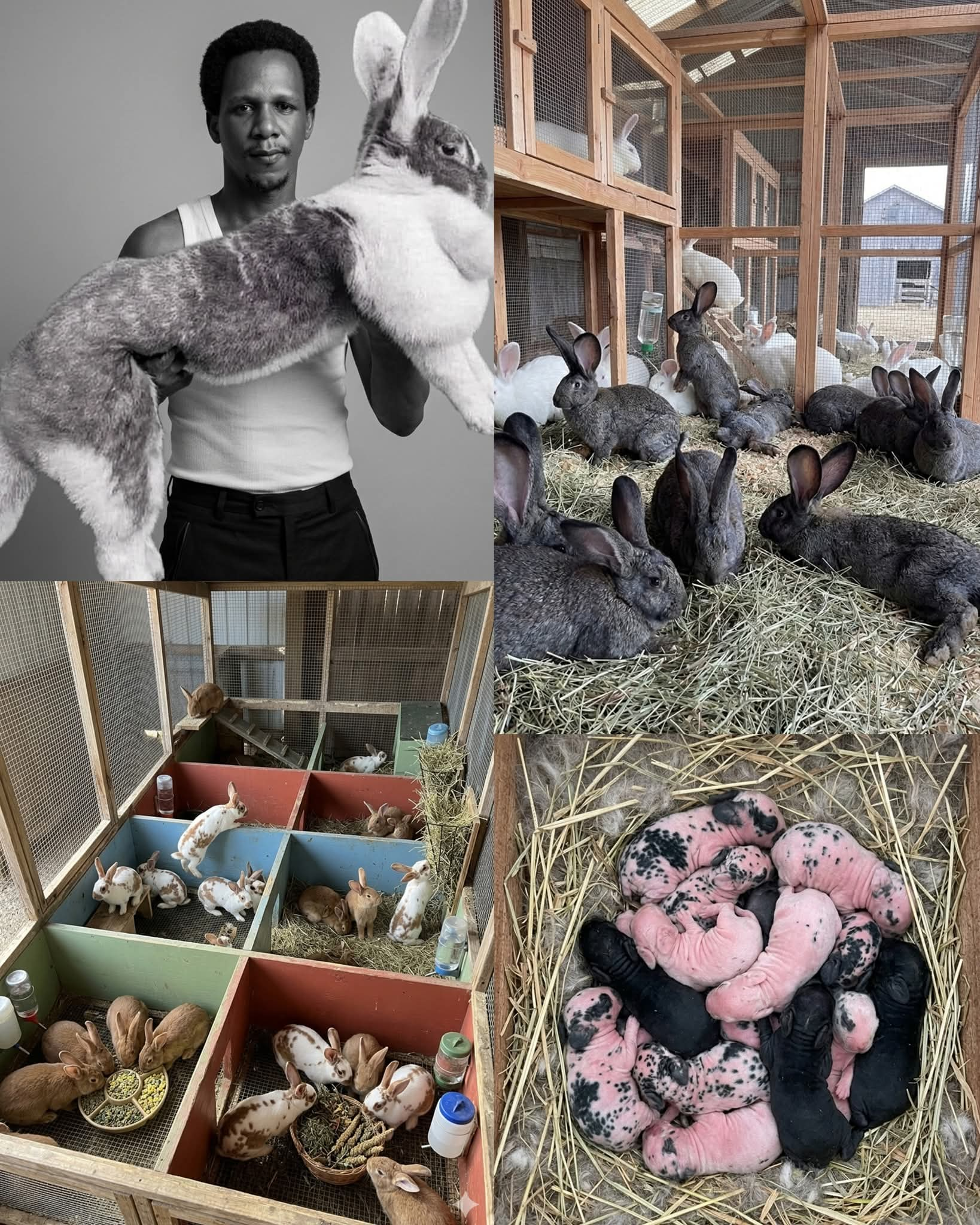
Healthy Rabbit Indicators: 5 Essential Signs Every Farmer Must Know
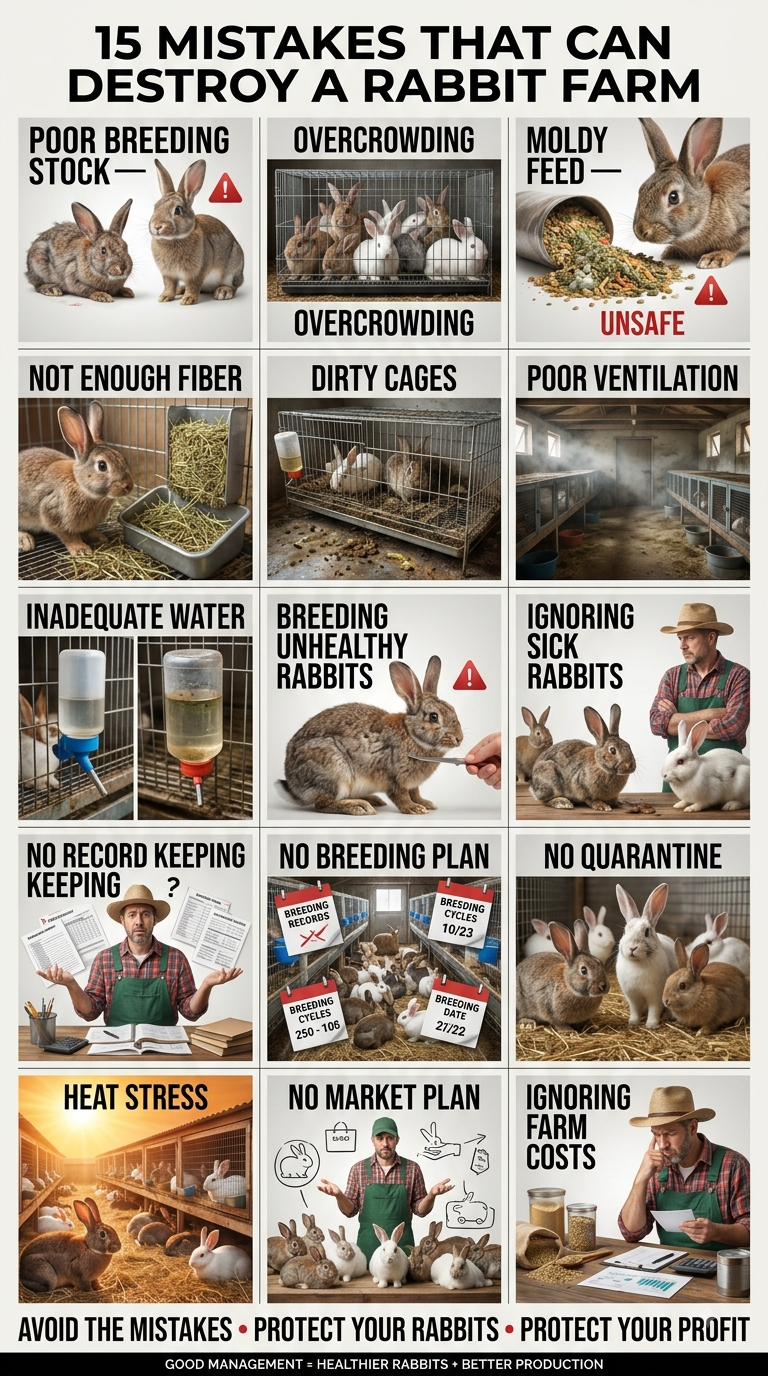
15 Rabbit Farming Business Mistakes That Can Destroy Your Profitability
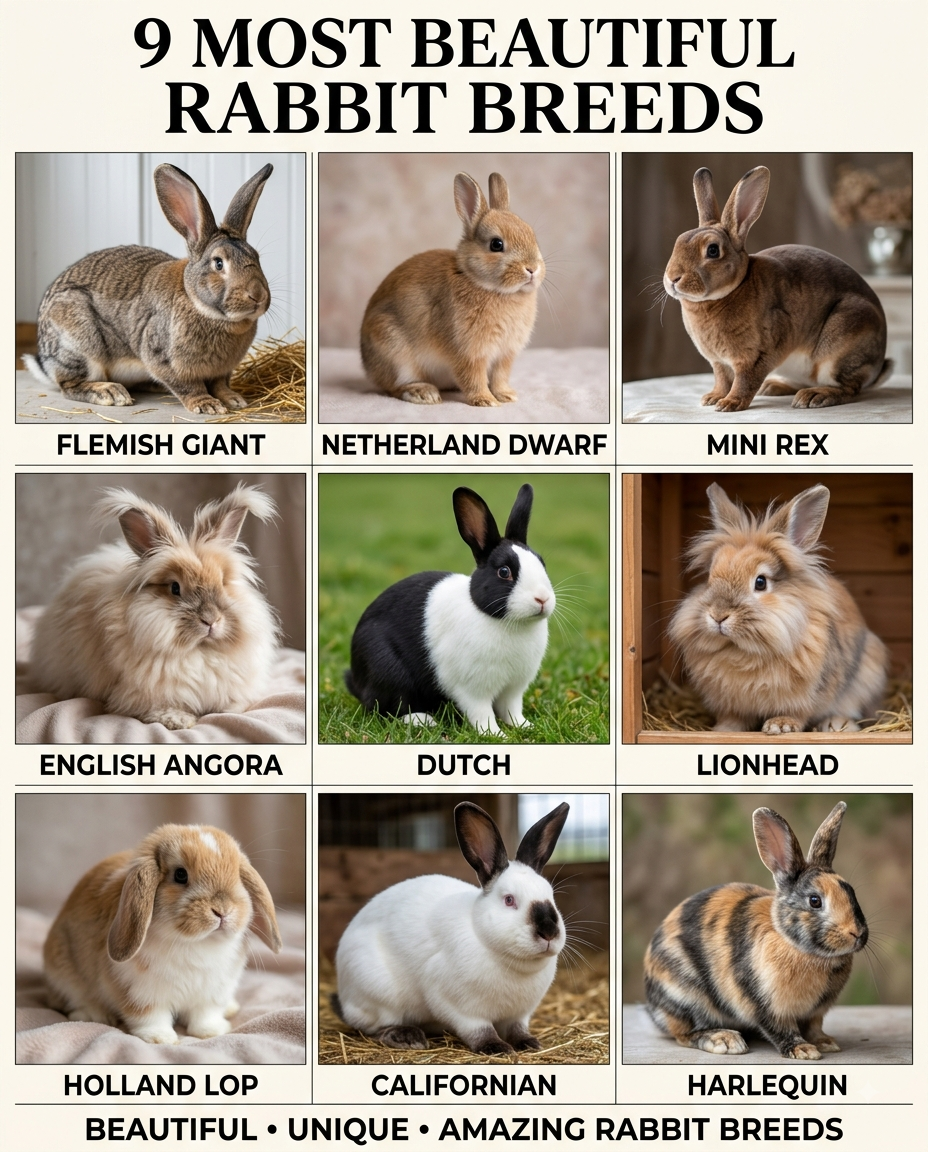
9 Most Beautiful Rabbit Breeds in the World: A Professional Farmer’s Guide
9 Most Beautiful Rabbit Breeds in the World: A Professional Farmer’s Guide
News
HOW TO WEAN RABBIT KITS PROPERLY: THE STEP-BY-STEP GUIDE EVERY RABBIT FARMER SHOULD KNOW