<p>“Chief, my chickens eat like they have a meeting with the feed mill every morning!”</p><p></p><p>That was how Kunle described his broilers when I visited his farm outside Akure.</p><p></p><p>He was proud of how quickly the birds finished their feed.</p><p></p><p>But when we looked at his records, something didn't add up.</p><p></p><p>He was spending heavily on feed, yet the birds weren't gaining weight as efficiently as he expected.</p><p></p><p>So we stopped looking at the feeder for a moment and started looking at the whole feeding system.</p><p></p><p>And this is where many poultry farmers make a costly mistake:</p><p></p><p>A chicken eating more feed doesn't automatically mean the farmer is getting better results.</p><p></p><p>Feed is usually one of the biggest expenses in poultry production, so the goal isn't simply to make birds eat as much as possible.</p><p></p><p>The goal is to provide appropriate nutrition, reduce unnecessary wastage and monitor whether the flock is actually performing as expected.</p><p></p><p>5 THINGS I WOULD CHECK BEFORE INCREASING FEED</p><p></p><p>1. CHECK FEED WASTAGE</p><p></p><p>Walk around the feeders.</p><p></p><p>Are you finding plenty of feed underneath them?</p><p></p><p>If yes, some of what you're buying may be ending up on the floor.</p><p></p><p>Check feeder height and positioning.</p><p></p><p>The feeder should be accessible to the birds without being so full or poorly positioned that they can easily scratch feed out.</p><p></p><p>2. DON'T FILL FEEDERS TO THE BRIM</p><p></p><p>This sounds small, but it matters.</p><p></p><p>Overfilling can increase spillage, especially when birds become active around the feeder.</p><p></p><p>Instead, manage feeder levels appropriately and observe how your birds behave.</p><p></p><p>3. CHECK THE FEED QUALITY</p><p></p><p>Look at the feed.</p><p></p><p>Does it smell normal?</p><p></p><p>Is it excessively dusty?</p><p></p><p>Is it damp or mouldy?</p><p></p><p>Has it been stored somewhere dry and protected from pests?</p><p></p><p>Poor storage can damage feed quality before the birds ever eat it.</p><p></p><p>4. WATCH WATER AVAILABILITY</p><p></p><p>A flock needs reliable access to clean water.</p><p></p><p>Check drinkers throughout the day, particularly during hot weather.</p><p></p><p>A bird that isn't drinking properly may also change its feeding behaviour.</p><p></p><p>5. KEEP RECORDS</p><p></p><p>This is where farming becomes a business rather than guesswork.</p><p></p><p>Record:</p><p></p><p>- Number of birds</p><p>- Feed purchased</p><p>- Feed consumed</p><p>- Mortality</p><p>- Average body weight</p><p>- Age of flock</p><p>- Medication/veterinary expenses where applicable</p><p>- Other major costs</p><p></p><p>For example, if you started with 200 broilers, don't simply say:</p><p></p><p>“They're eating plenty.”</p><p></p><p>Write down how much feed you're buying and how the flock's average weight is changing.</p><p></p><p>That gives you something you can actually analyze.</p><p></p><p>HERE'S ANOTHER IMPORTANT POINT</p><p></p><p>Don't copy another farmer's feeding quantity blindly.</p><p></p><p>A feeding program can depend on:</p><p></p><p>Bird age.</p><p>Breed or strain.</p><p>Feed formulation.</p><p>Health status.</p><p>Temperature.</p><p>Housing.</p><p>Management system.</p><p></p><p>A number that works on one farm may not be appropriate for another.</p><p></p><p>And if birds suddenly increase or decrease feed or water intake, show poor growth, become lethargic, develop abnormal droppings, have respiratory problems or experience unusual mortality, don't start randomly mixing medications into the feed.</p><p></p><p>Consult a veterinarian or qualified livestock extension officer.</p><p></p><p>Sometimes the answer isn't “give them more feed.”</p><p></p><p>Sometimes the answer is:</p><p></p><p>reduce wastage, improve management and understand the numbers.</p><p></p><p>As my father used to say, “If you don't count your money, somebody else will help you spend it.”</p><p></p><p>The same thing applies to poultry feed.</p><p></p><p>If you're buying bags every week but don't know exactly where the feed is going, you're running part of your farm with your eyes closed.</p><p></p><p>For more practical agricultural knowledge, Farming Tech & Business is a free home where farmers, tech people and business people learn, connect and earn. Since today's lesson is about learning, our Tribes & trainings are a good place to go deeper.</p><p></p><p>Join free: farming-tech.vercel.app</p><p></p><p>#FarmingTechAndBusiness #PoultryFarming #BroilerFarming #ChickenFarming #FarmBusiness</p>
THE FARMER WHO WAS FEEDING HIS CHICKENS TOO MUCH
Farming Tech & Business | 8/28/2026 | 0 views
Continue Learning
News
How to Start a Profitable Poultry Business
News
THE FARMER WHO WAS FEEDING HIS CHICKENS TOO MUCH
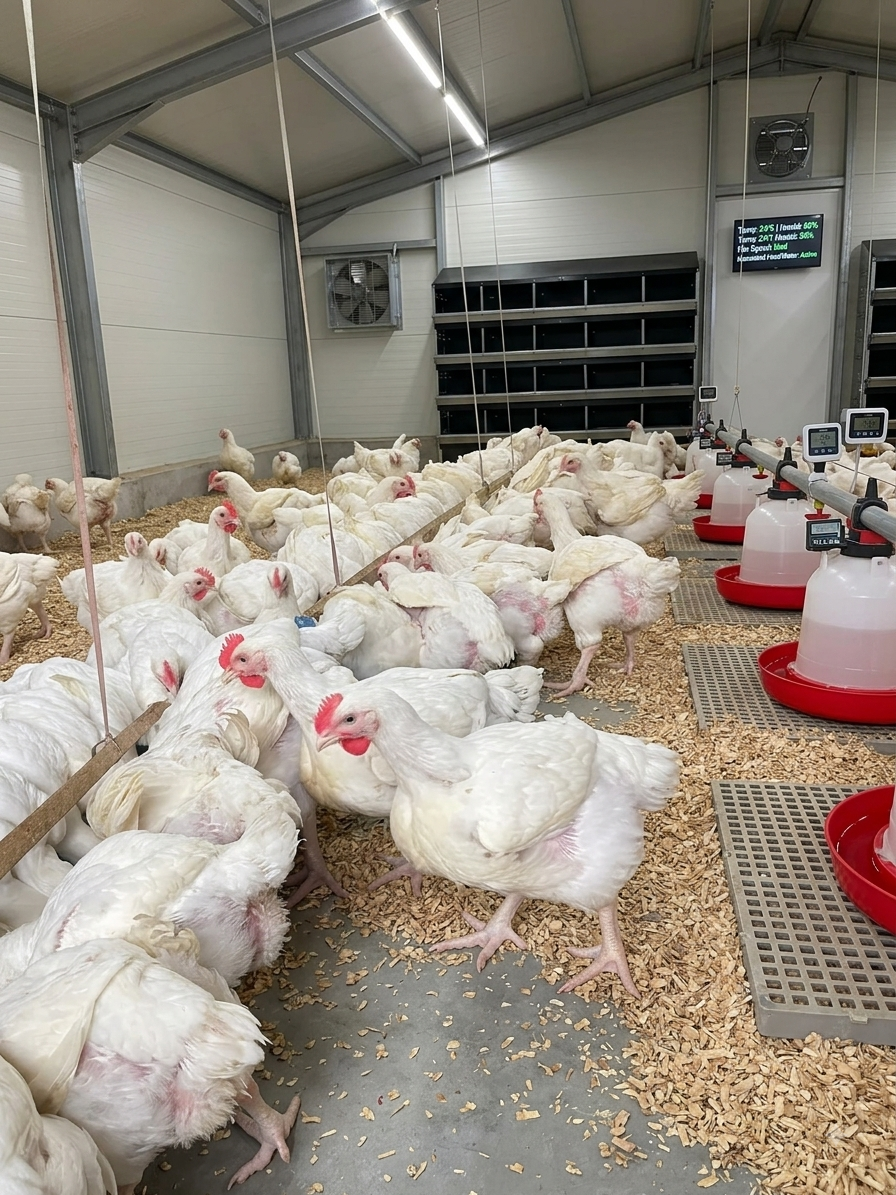
Male vs Female Broilers: Which One Do Your Customers Really Prefer?
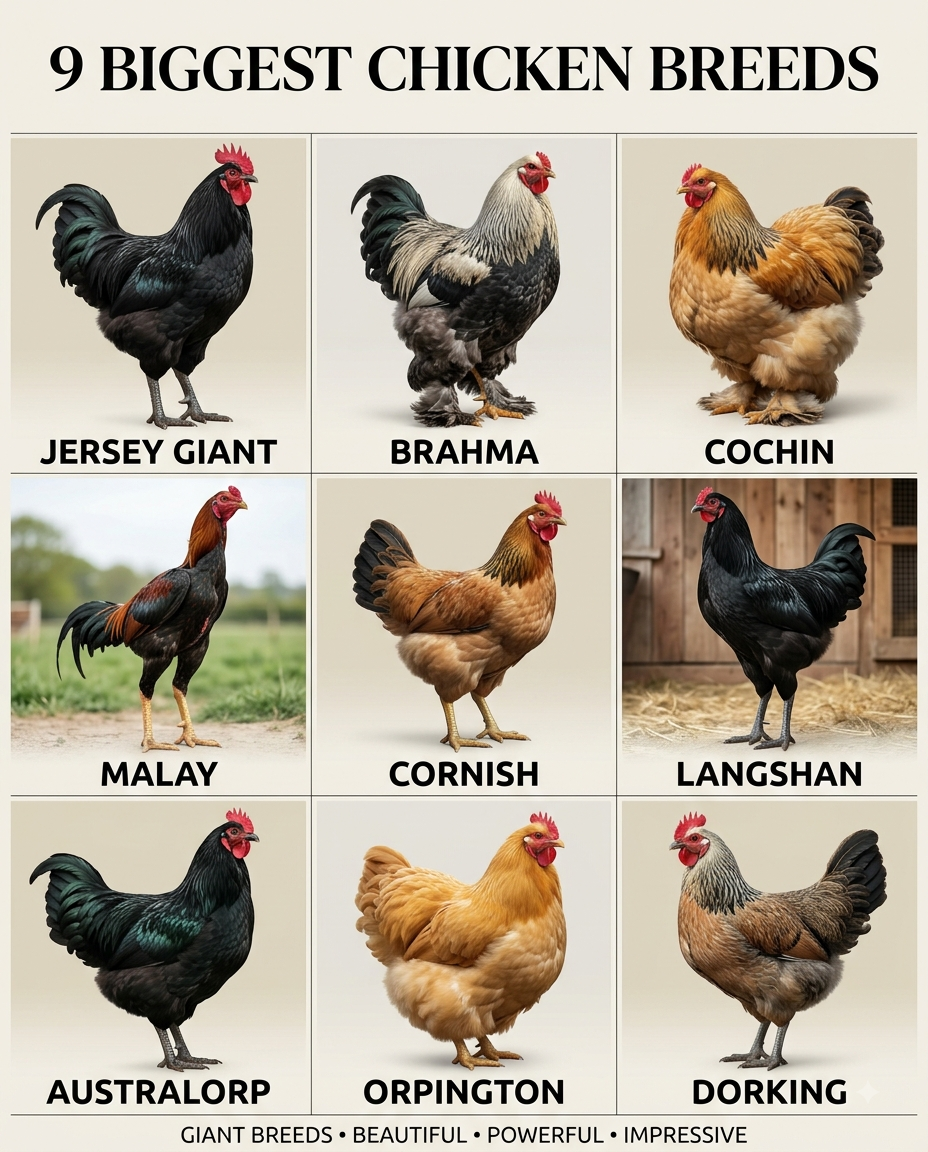
9 Biggest Chicken Breeds in the World: A Professional Farmer's Guide
Male vs Female Broilers: Which One Do Your Customers Really Prefer?
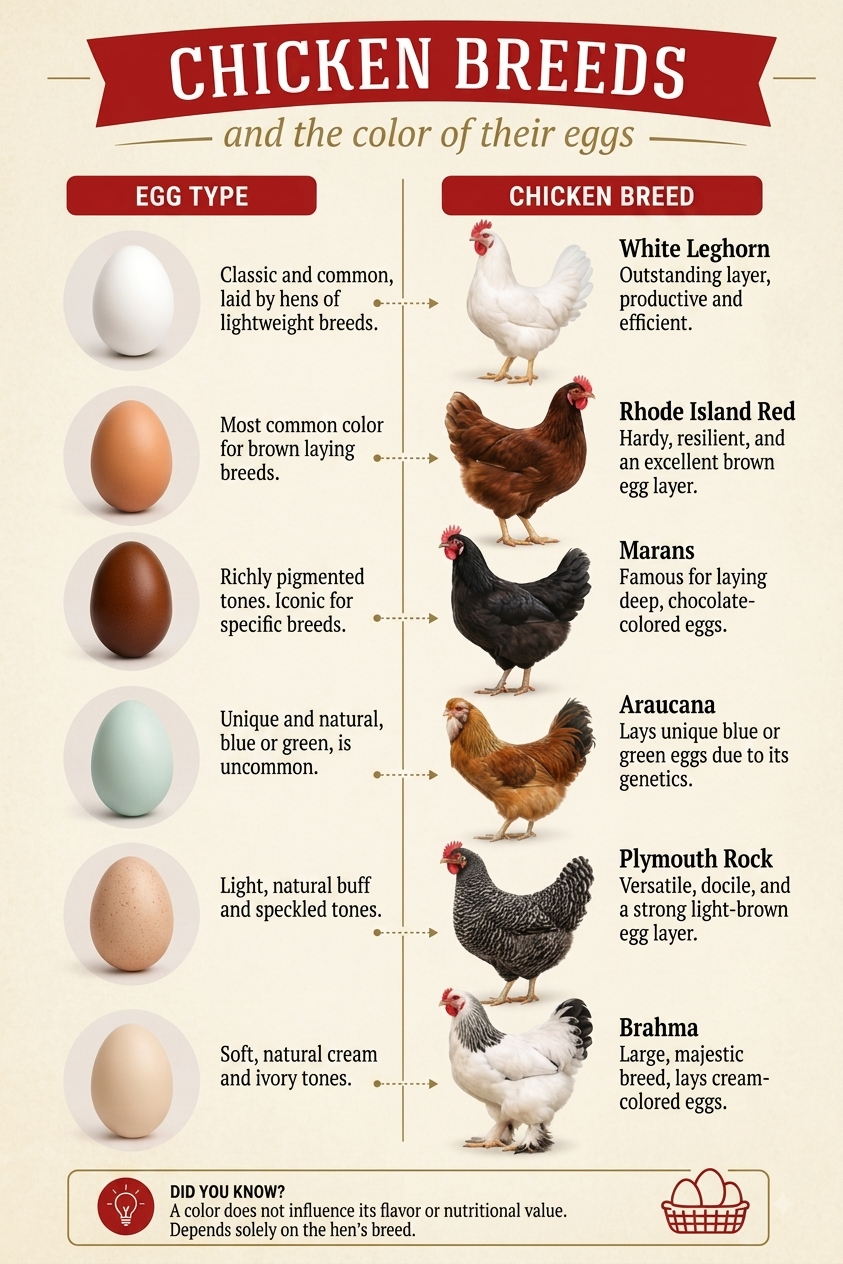
Chicken Breeds and Egg Colors: A Professional Farmer’s Guide