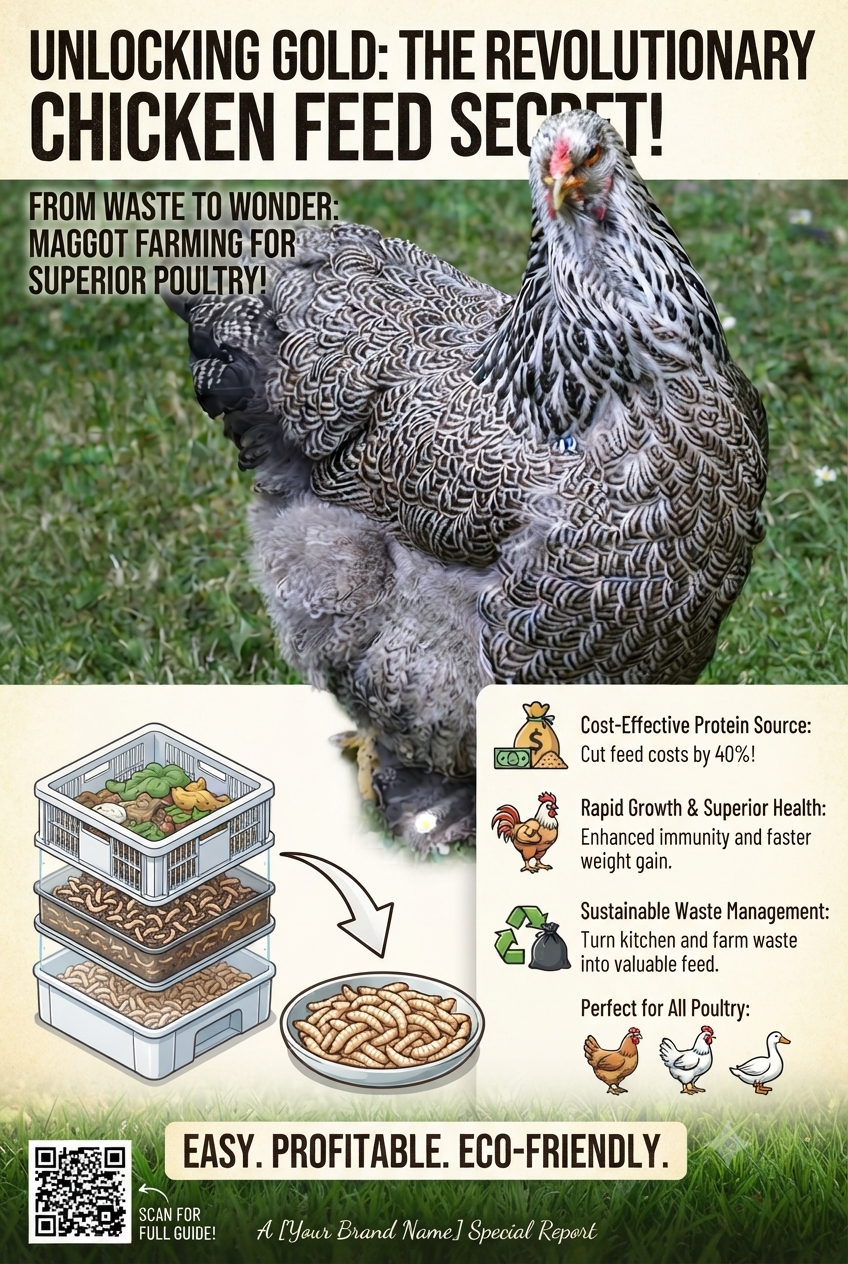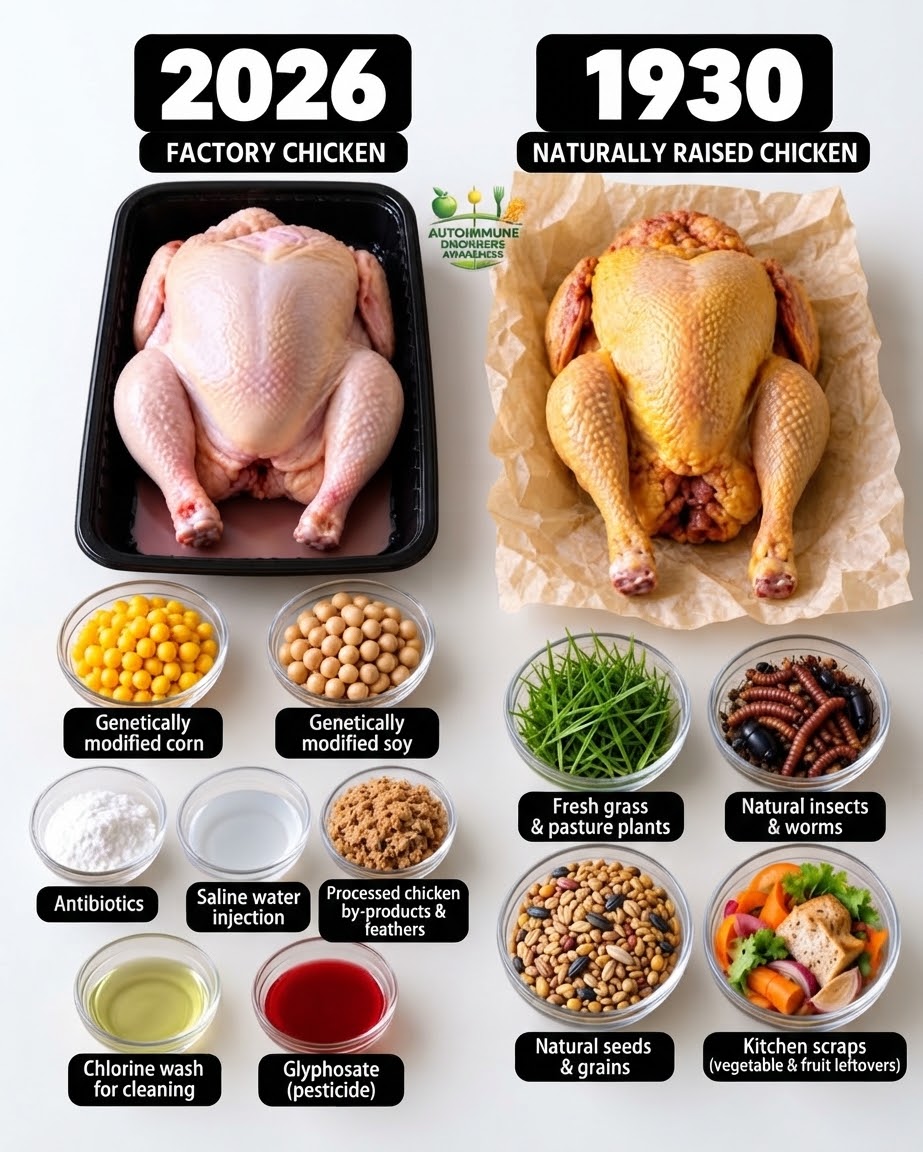
HOW TO START INSECT FARMING: A COMPLETE BEGINNER’S GUIDE TO INSECT FARMING IN NIGERIA
Insect farming is becoming an increasingly practical way to produce animal protein, organic fertilizer and other valuable agricultural products from relatively small spaces.
From black soldier fly larvae and maggots to crickets and other edible or feed-producing insects, insect farming can turn organic waste and agricultural by-products into useful resources.
But starting an insect farm is not simply a matter of collecting insects and putting them in a container.
You need to understand the insect you want to farm, its life cycle, feeding requirements, housing, temperature, moisture, hygiene, harvesting and marketing.
This guide explains how to start insect farming from scratch, particularly for beginners in Nigeria, including the basic equipment required, production process, estimated startup costs, common problems and practical solutions.
QUICK ANSWER: HOW DO YOU START INSECT FARMING?
To start insect farming successfully:
1. Choose the insect species you want to farm.
2. Identify your target market before investing heavily.
3. Learn the insect's complete life cycle.
4. Prepare a suitable rearing environment.
5. Source healthy breeding stock or starter larvae.
6. Prepare safe and suitable feed or substrate.
7. Control temperature, moisture, ventilation and hygiene.
8. Monitor growth and separate stages when necessary.
9. Harvest at the appropriate stage.
10. Process, store and market the finished product.
11. Keep production records and calculate your real cost per kilogram.
12. Start small, test your market and expand gradually.
The most important principle is simple:
«Do not start by buying everything. Start by understanding the insect, the market and the production system.»
WHAT IS INSECT FARMING?
Insect farming is the controlled breeding and rearing of insects for agricultural, food, feed, environmental or commercial purposes.
Different insects can produce different products.
For example:
- Black soldier fly larvae (BSFL) → animal feed ingredients and frass
- Maggots → livestock and fish feed
- Crickets → animal feed and, in some markets, human food
- Mealworms → poultry, fish, reptile and other animal feeds
- Silkworms → silk and other products
The best insect to farm depends on your available resources, local regulations, climate, production skills and, most importantly, your market.
For farmers interested in converting organic materials into useful agricultural products, maggot and black soldier fly farming are particularly interesting systems to study.
WHY ARE FARMERS INTERESTED IN INSECT FARMING?
Insect farming has attracted attention because insects can convert suitable organic materials into biomass efficiently.
A properly managed insect production system can provide several potential benefits:
1. SMALL SPACE REQUIREMENT
Many insect production systems can operate in relatively small spaces compared with conventional livestock production.
This makes them interesting for:
- Backyard farmers
- Urban farmers
- Small-scale entrepreneurs
- Poultry farmers
- Fish farmers
- Integrated farms
2. POTENTIAL FEED SOURCE
Some insect larvae are rich in protein and other nutrients.
They can potentially be incorporated into feed systems for animals such as:
- Poultry
- Fish
- Pigs
- Some other livestock and aquaculture species
However, insects should not automatically replace formulated feed. Their nutritional value depends on the species, rearing substrate, processing method and inclusion rate.
3. ORGANIC WASTE UTILIZATION
Some insect species can be raised using appropriate organic by-products.
This creates an opportunity to transform materials that might otherwise become waste into:
Organic material → Insect biomass + residue/frass
4. MULTIPLE REVENUE STREAMS
Depending on the insect species and market, a farm may generate income from:
- Live insects
- Dried insects
- Processed insect meal
- Breeding stock
- Eggs
- Larvae
- Pupae
- Frass/residue
- Training
- Starter colonies
WHAT YOU NEED BEFORE YOU START INSECT FARMING
Before purchasing your first breeding stock, prepare the foundation of the business.
1. CHOOSE YOUR INSECT
Do not begin with the question:
“Which insect is easiest?”
Begin with:
“Which insect has a market that I can realistically serve?”
Consider:
- Local demand
- Feed applications
- Availability of starter stock
- Climate requirements
- Production time
- Feed/substrate availability
- Processing requirements
- Storage
- Regulations
- Selling price
- Competition
2. IDENTIFY YOUR CUSTOMERS
Your customers may include:
- Poultry farmers
- Fish farmers
- Livestock farmers
- Pet owners
- Feed manufacturers
- Agricultural businesses
- Researchers
- Other insect farmers
For example, if your goal is to produce larvae for poultry and fish farmers, your production system should be designed around consistent supply, quality and affordability, not simply maximum insect numbers.
STEP-BY-STEP: HOW TO START INSECT FARMING
STEP 1: CHOOSE A SPECIFIC PRODUCTION MODEL
There are several ways to approach insect farming.
Model A — Feed production
You produce insects primarily as animal feed.
Model B — Breeding-stock production
You specialize in producing eggs, larvae or starter colonies for other farmers.
Model C — Waste-conversion production
You focus on converting suitable organic materials into insect biomass and residue.
Model D — Integrated farming
You connect insect farming with poultry, fish, livestock or crop production.
For a beginner, starting with one clear production objective is usually easier than trying to do everything simultaneously.
STEP 2: STUDY THE INSECT'S LIFE CYCLE
This is one of the most important parts of insect farming.
You cannot manage what you do not understand.
A typical insect life cycle may involve:
Egg → Larva/Nymph → Pupa → Adult
The exact stages differ between species.
Understanding the life cycle helps you determine:
- When to feed
- When to separate stages
- When breeding occurs
- When harvesting should happen
- When reproduction should begin
- How long each production cycle takes
Why does this matter?
Imagine buying thousands of larvae without knowing when they become adults.
You may successfully produce larvae but fail to maintain a breeding colony.
That means you constantly have to purchase new starter stock.
A commercial insect farm should therefore understand both production and reproduction.
STEP 3: PREPARE THE FARMING SPACE
You do not necessarily need an expensive building at the beginning.
A basic insect production area should provide:
- Protection from excessive rain
- Protection from predators
- Adequate ventilation
- Appropriate temperature
- Suitable humidity
- Clean working surfaces
- Easy access to water
- Good drainage where necessary
- Easy cleaning
- Protection from contamination
Depending on the insect, you may use:
- Plastic containers
- Rearing trays
- Crates
- Wooden structures
- Shelving systems
- Mesh cages
- Specialized insect-rearing units
The exact housing system should match the insect species.
STEP 4: GET HEALTHY STARTER STOCK
Your starting population can determine how quickly your farm develops.
Obtain starter stock from a reliable source whenever possible.
Depending on the species, this may include:
- Eggs
- Larvae
- Pupae
- Adult breeding insects
- Starter colonies
Avoid purchasing insects simply because they are cheap.
Ask:
- What species is this?
- What stage are they in?
- How old are they?
- What were they fed?
- Are they healthy?
- How were they transported?
- What environmental conditions do they require?
STEP 5: PREPARE THE FEED OR SUBSTRATE
The substrate is extremely important because what insects consume can affect:
- Growth
- Survival
- Nutritional composition
- Development speed
- Odour
- Contamination risk
- Quality of the harvested product
Possible substrates vary greatly depending on the insect.
Some systems may use:
- Agricultural by-products
- Vegetable residues
- Fruit residues
- Approved food-processing by-products
- Grain-based materials
- Specially formulated feeds
IMPORTANT
Never assume that every type of waste is suitable for insect farming.
Avoid contaminated, chemically treated or hazardous materials.
If insects are intended for animal feed, the safety of the substrate becomes even more important.
STEP 6: CONTROL MOISTURE
One of the biggest beginner mistakes is treating moisture as an afterthought.
Too much moisture can cause:
- Bad odour
- Anaerobic conditions
- Microbial problems
- Larval mortality
- Difficult harvesting
Too little moisture can cause:
- Poor feeding
- Dehydration
- Slow development
- Increased mortality
The correct moisture level depends on the species and production system.
Your goal is not simply to make the substrate “wet.”
Your goal is to maintain the appropriate environmental condition for the insect.
STEP 7: CONTROL TEMPERATURE AND VENTILATION
Temperature can strongly influence insect development.
If conditions become too cold, development may slow.
If conditions become excessively hot, insects may experience stress or increased mortality.
Good ventilation also helps control:
- Heat
- Humidity
- Odour
- Condensation
In Nigeria, environmental heat can become a serious production issue, particularly in enclosed structures.
Therefore, your farm design should account for the local climate from the beginning.
STEP 8: MAINTAIN HYGIENE
A productive insect farm is not a dirty waste pile.
It is a controlled biological production system.
Clean:
- Containers
- Trays
- Tools
- Work surfaces
- Breeding areas
- Harvesting equipment
Remove:
- Dead insects
- Excessive spoiled substrate
- Contaminated material
- Unwanted pests
Keep different production stages organized.
Good hygiene can reduce preventable production losses.
STEP 9: MONITOR THE COLONY DAILY
You do not need to stare at the insects all day.
But you should establish a monitoring routine.
Record:
- Date
- Number or approximate quantity
- Feed/substrate supplied
- Temperature
- Moisture condition
- Mortality
- Development stage
- Harvest quantity
- Breeding activity
- Problems observed
These records eventually become one of your most valuable farming tools.
Without records, you are guessing.
With records, you can calculate.
STEP 10: HARVEST AT THE RIGHT STAGE
Harvest timing depends on your purpose.
If you are producing larvae for animal feed, the ideal harvesting stage may differ from a system designed primarily for breeding.
Before harvesting, decide:
Am I producing insects for feed, breeding, processing or another market?
That decision should determine your harvesting strategy.
STEP 11: PROCESS AND STORE THE PRODUCT
Depending on the insect and intended market, harvested insects may be:
- Sold live
- Washed/cleaned where appropriate
- Dried
- Oven-dried
- Solar-dried
- Processed into meal
- Stored under appropriate conditions
Processing must be done hygienically.
Moisture control is particularly important when storing dried insect products because inadequate drying can encourage spoilage.
STEP 12: SELL BEFORE YOU SCALE
This is where many agricultural businesses make a mistake.
They increase production first and search for customers later.
Reverse the process.
Start with a small production batch.
Find potential buyers.
Ask them:
- What quantity do you need?
- How often do you buy?
- Do you want live or dried insects?
- What quality specifications matter?
- What packaging do you prefer?
- What price range is acceptable?
Then build production around actual demand.
STARTUP COST OF INSECT FARMING IN NIGERIA
The cost of starting insect farming in Nigeria varies significantly.
There is no single correct startup figure because the cost depends on:
- Insect species
- Production scale
- Housing
- Containers
- Breeding stock
- Feed/substrate
- Labour
- Water
- Processing equipment
- Packaging
- Electricity
- Transport
A beginner can start on a relatively small experimental scale and expand as the production system becomes stable.
SAMPLE BEGINNER BUDGET FRAMEWORK
Item| Small Starter Farm| Growing Farm
Rearing containers/trays| ₦20,000–₦80,000| ₦80,000–₦250,000+
Starter insects| ₦10,000–₦50,000| ₦50,000–₦150,000+
Basic housing/setup| ₦20,000–₦100,000| ₦100,000–₦500,000+
Feed/substrate handling| ₦10,000–₦40,000| ₦40,000–₦150,000+
Basic tools| ₦10,000–₦40,000| ₦40,000–₦100,000+
Packaging/processing| ₦10,000–₦50,000| ₦50,000–₦200,000+
Contingency| ₦10,000–₦40,000| ₦50,000–₦150,000+
Important: These are planning ranges, not fixed market prices. Actual Nigerian prices vary by location, supplier, scale and insect species.
A smart beginner should therefore create a budget based on actual local quotations before spending money.
HOW MUCH SPACE DO YOU NEED?
Insect farming can be remarkably space-efficient, but space requirements depend on the species and production scale.
A small experimental system may operate in a limited protected area.
As production grows, you may need dedicated areas for:
1. Breeding
2. Egg collection
3. Nursery/rearing
4. Feeding
5. Harvesting
6. Processing
7. Storage
8. Packaging
Separating these activities can make the farm easier to manage and scale.
COMMON INSECT FARMING PROBLEMS AND SOLUTIONS
PROBLEM 1: HIGH MORTALITY
Possible causes:
- Excessive heat
- Incorrect moisture
- Poor ventilation
- Overcrowding
- Contaminated substrate
- Poor handling
Solution:
Check environmental conditions and production records before changing several things at once.
PROBLEM 2: BAD ODOUR
Bad smell can indicate excessive moisture, unsuitable substrate, overcrowding or poor aeration.
Solution:
- Reduce excessive moisture
- Improve ventilation
- Review feeding quantity
- Remove spoiled material
- Maintain appropriate stocking density
PROBLEM 3: SLOW GROWTH
Possible causes include:
- Poor nutrition
- Incorrect temperature
- Overcrowding
- Inadequate feeding
- Poor substrate quality
Solution:
Compare your conditions with the recommended requirements for the particular species.
PROBLEM 4: FLIES AND OTHER PESTS
Unwanted insects can compete with your production colony or contaminate the system.
Solution:
- Improve sanitation
- Cover appropriate containers
- Remove spoiled material
- Control access points
- Keep the production area clean
PROBLEM 5: MOULD
Mould may become a problem when conditions are excessively moist or poorly ventilated.
Solution:
Review moisture, ventilation and substrate management immediately.
Do not simply keep adding more material to a contaminated system.
PROBLEM 6: INCONSISTENT PRODUCTION
One week you have plenty of larvae.
The next week production suddenly drops.
This often happens when farmers do not maintain consistent records or breeding cycles.
Solution:
Create a production calendar.
Track:
Eggs → Larvae → Pupae → Adults → Eggs
This allows you to plan production instead of reacting to shortages.
COMMON MISTAKES BEGINNERS SHOULD AVOID
❌ 1. Starting too large
Start with a manageable system.
Learn first.
Scale second.
❌ 2. Buying insects without learning the species
Know what you are farming before you invest heavily.
❌ 3. Ignoring the market
Production without customers can turn into expensive inventory.
❌ 4. Using unsafe waste
Not every waste material is suitable for insect production.
❌ 5. Ignoring environmental conditions
Temperature and moisture are production variables, not minor details.
❌ 6. Mixing every life stage together
Depending on the species, separating stages can make breeding and production management easier.
❌ 7. Neglecting hygiene
Insect farming is still farming.
Cleanliness matters.
❌ 8. Failing to keep records
If you don't know how much you spend and how much you produce, you don't really know your production cost.
HOW TO MAKE INSECT FARMING PROFITABLE
Profit does not come simply from producing a large number of insects.
Your business equation is:
Revenue − Total Production Cost = Profit
Your total production cost may include:
- Starter stock
- Feed/substrate
- Labour
- Water
- Electricity
- Housing
- Equipment
- Processing
- Packaging
- Transportation
- Losses
- Marketing
You should calculate your cost per kilogram.
For example:
If your total production cost is ₦100,000 and you produce 50 kg of saleable product:
₦100,000 ÷ 50 kg = ₦2,000/kg
That figure gives you a much better foundation for pricing than simply looking at what another farmer charges.
INSECT FARMING AND MAGGOT FARMING
Maggot farming is one specific area within the broader subject of insect farming.
If your primary interest is producing larvae for poultry, fish or other agricultural applications, you should study the complete production cycle rather than treating maggot farming as simply “keeping flies.”
A proper system involves:
Breeding → Egg collection → Larval development → Harvest → Processing/use → Breeding stock
For a deeper practical guide specifically focused on maggot production, see our Maggot Farming guide.
Internal link: [Maggot Farming – Complete Practical Guide]
FREQUENTLY ASKED QUESTIONS
Is insect farming profitable in Nigeria?
It can be profitable when production costs, mortality, processing, market demand and selling price are properly managed.
Profitability is not automatic.
The business should be evaluated using actual local costs and confirmed buyers.
How much money do I need to start insect farming?
There is no universal amount.
A small experimental operation can require significantly less capital than a commercial production facility.
Your starting budget should be based on the insect species, production capacity and equipment required.
Which insect is easiest to farm?
There is no single answer for every farmer.
Different species have different requirements.
The most suitable option depends on your climate, available substrate, technical knowledge, market and intended product.
Can insect farming be done at home?
Some small-scale insect production systems can be operated in or around a home, provided appropriate hygiene, ventilation, containment and local regulations are observed.
Large-scale production should use a properly designed production area.
Can insects be used as poultry feed?
Some farmed insects and their processed products can be used as animal feed ingredients.
However, nutritional composition and safe inclusion levels vary by insect species, production substrate and processing method.
Farmers should not assume that raw insects can replace a balanced commercial ration.
Can I start insect farming with agricultural waste?
Some insect species can utilize suitable agricultural or food-processing by-products.
However, not all waste is safe or appropriate.
The substrate must be suitable for the insect and the intended end use.
How long does insect farming take?
The production period depends heavily on the insect species, temperature, nutrition and production system.
Some insects develop much faster than others.
Therefore, calculate production time according to the specific species you choose.
What is the biggest mistake in insect farming?
One of the biggest mistakes is treating insect farming as a simple waste-management activity instead of a controlled biological production system.
Successful production requires:
Good stock + suitable feed + environmental control + hygiene + records + market
A SIMPLE BEGINNER'S INSECT FARMING PLAN
If you are completely new, use this progression:
WEEK 1 — RESEARCH
Choose one insect.
Study:
- Life cycle
- Feeding
- Housing
- Temperature
- Moisture
- Breeding
- Harvesting
- Processing
- Market
WEEK 2 — MARKET VALIDATION
Speak to potential buyers.
Find out:
- What they currently buy
- Quantity required
- Preferred form
- Buying frequency
- Quality expectations
WEEK 3 — SETUP
Prepare:
- Containers
- Housing
- Tools
- Substrate
- Water supply
- Cleaning system
- Starter stock
WEEK 4 — START PRODUCTION
Begin with a manageable population.
Record everything.
Do not immediately scale.
MONTH 2–3 — OPTIMIZE
Identify:
- Mortality rate
- Growth rate
- Feed consumption
- Harvest quantity
- Production cost
- Customer demand
Then improve the system.
AFTER VALIDATION — SCALE
Only increase production when:
Production is stable + customers exist + economics make sense.
THE FUTURE OF INSECT FARMING
Insect farming sits at the intersection of several agricultural challenges:
Feed production + organic resource utilization + alternative protein + circular agriculture + entrepreneurship
For farmers, this creates an opportunity to think beyond traditional livestock and crop production.
But the opportunity should be approached scientifically.
Do not farm insects simply because they are trending.
Farm them because you understand:
WHAT you are producing.
WHY people need it.
HOW much it costs.
WHO will buy it.
AND HOW you can produce it consistently.
CONCLUSION: START SMALL, LEARN FAST AND SCALE WITH DATA
Starting an insect farm does not require you to build a huge facility on day one.
The smarter approach is to start with a manageable production system, understand the biology, test your market, keep accurate records and improve your process before expanding.
Remember the basic formula:
CHOOSE → LEARN → SET UP → PRODUCE → MEASURE → SELL → IMPROVE → SCALE
The farmer who understands the insect's biology, controls the production environment and understands the economics has a much stronger foundation than someone who simply buys insects and hopes they multiply.
If you are interested specifically in maggot farming, continue with our detailed Maggot Farming Guide, where the focus moves from the broader concept of insect farming to practical larval production.
Recommended next step: Study one insect species deeply, build a small pilot system, document your results and use those results to design your commercial production model.
RELATED INSECT FARMING TOPICS
For a complete learning path, the following supporting topics can be developed around this pillar guide:
- What Is Insect Farming?
- How to Start Insect Farming for Beginners
- Insect Farming Life Cycle and Stages
- Insect Farming Cost and Budget Guide
- Common Insect Farming Problems and Solutions
- Maggot Farming: Complete Practical Guide
- Black Soldier Fly Farming Guide
- How to Produce Insect Protein for Poultry and Fish
- How to Process and Store Farmed Insects
- How to Build a Small Insect Farming Business
Pillar topic: How to Start Insect Farming — Complete Beginner's Guide
Primary category: Farming
Primary search intent: Informational / How-To
Primary keyword: how to start insect farming
Secondary keywords: how to start insect farming for beginners, how to start insect farming in Nigeria, insect farming cost in Nigeria, insect farming problems and solutions, insect farming guide, insect farming business, maggot farming.